Small Space Living Ideas You’ll Want to Try
Clara Mitchell September 23, 2025
Living in a small space doesn’t mean sacrificing comfort, style, or function. Discover creative, practical lifestyle solutions for apartments and small homes, including smart storage ideas, flexible furniture, and organizing tips that anyone can use. Unlock new possibilities for small space living with these expert-backed strategies.
Making the Most of Your Floor Plan
Maximizing a small apartment layout starts with understanding how to use every inch efficiently. By mapping out living zones, individuals create clear boundaries for rest, work, and dining—even within a single room. Sliding partitions and open shelving are popular for dividing areas without sacrificing light or airflow. Thoughtful spatial planning instills a sense of calm and order in small space living, reducing clutter and creating a balanced atmosphere conducive to relaxation.
Flexible furniture pieces play a crucial role here. Consider investing in fold-out sofas, wall-mounted desks, or extendable dining tables—which instantly transform rooms for different activities. Multi-functional elements often solve real-world challenges, adapting to changing needs and reducing the feeling of physical limitations. Built-in shelves or window seats with storage underneath make use of awkward corners while providing much-needed utility and comfort.
Innovative layouts can breathe fresh energy into a small household. For instance, a living room nook may double as a guest bedroom simply by choosing the right convertible furniture and privacy screens. Rearranging existing pieces can sometimes make a dramatic improvement. Small-space dwellers often find joy in rearranging layouts, discovering new flows and perspectives for daily routines. This sense of adaptability is what turns a compact home into a personalized living retreat.
Smart Storage Solutions for Small Living Spaces
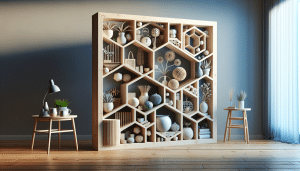
Storage is a top concern in compact homes. Vertical shelving helps take advantage of wall height, keeping important items visible without eating up valuable floor area. Built-ins or modular hexagonal cubes stack upward and around corners, transforming bare walls into artistic and functional displays. Many interior designers recommend using clear containers or labeled baskets to avoid looking overcrowded while keeping things accessible. Storage ottomans and beds with drawers offer hidden options that blend in seamlessly with decor.
Innovative storage extends to under-the-bed compartments and above-door shelving. By using these often-forgotten spaces, households can keep seasonal clothing, linens, or holiday decorations out of sight yet within easy reach. Open racks for shoes and wall-mounted hooks for bags or jackets help prevent everyday items from piling on the floor. Smart organization techniques further streamline routines, making cleaning and tidying more manageable and less overwhelming for busy urbanites.
Decluttering is just as vital as storage when square footage is limited. Embracing minimalism means carefully editing belongings, keeping only what’s useful or meaningful. Donation bins and recycling baskets keep possessions in check, ensuring clutter does not creep back in. Many small space experts advocate for periodic reassessments, so even well-organized homes maintain a fresh and open vibe. Ultimately, smart storage is about striking a balance between function, aesthetics, and lifestyle comfort, not simply finding more places to stash things.
Choosing Furniture that Doubles Its Purpose
Multipurpose furniture is a hallmark of well-designed small spaces. Pieces like sleeper sofas, extendable tables, or nesting coffee tables perform several roles, letting a single room host a variety of activities. Murphy beds are classic space-savers for studios—tucked up during the day, they make way for a spacious living or home office setup. Such solutions aren’t just practical; they support lifestyle flexibility, making tight quarters work better for remote jobs, hobbies, or entertaining guests.
Ottomans with storage, wall-mounted fold-down desks, and convertible kitchen islands provide surprising levels of functionality. These choices streamline cleaning and organization while ensuring that each piece earns its keep. When shopping, many people prioritize furniture with lightweight frames or on casters—easy to move and reposition as needs shift. Modularity is key: sectional sofas, stackable chairs, or tables with adjustable heights give residents the option to quickly adapt their environment.
Expert decorators encourage thinking vertically as well as horizontally. Tall bookcases, bar-height tables, and hanging plant racks draw the eye upward, making ceilings appear higher and rooms feel more expansive. Visual tricks, like glass or acrylic pieces, also reduce visual weight, contributing to an airier, uncluttered vibe. Ultimately, choosing the right furniture unlocks the potential for comfort, convenience, and creativity—even in just a few hundred square feet.
Creative Decor Tricks to Enhance Small Spaces
Decor in petite homes requires resourcefulness. Neutral paint colors and strategically placed mirrors reflect light and make walls seem farther apart. Many designers suggest using a subtle color palette with one or two bold accents—perhaps through throw pillows or artwork—to add vibrancy without overwhelming the senses. Area rugs define spaces, while curtains hung close to the ceiling draw attention upward. Pattern and texture can bring the illusion of depth, even in a compact room.
Wall art and removable wallpaper introduce character without permanent changes—ideal for renters or those who like to refresh their aesthetics often. Floating shelves keep essentials at arm’s reach and double as display for favorite books or plants. Lighting is a secret weapon in tight spaces. Layered sources—table lamps, under-shelf LEDs, and floor lights—banish shadows, improving visibility and warmth. Selecting slim or open-legged furniture keeps sightlines clear, which visually expands the room.
Indoor plants thrive in small spaces and contribute to well-being. Even a few succulents or hanging planters infuse nature and fresh oxygen into a busy urban home. Personal touches, like DIY art, family photos, or travel mementos, help transform any apartment into a unique retreat. With the right decor strategies, small-space living becomes not just manageable but desirable, radiating a welcoming sense of style and serenity.
Organizational Habits That Change Everything
Sustainable organization habits are essential for enjoying compact living. Adopting a ‘one in, one out’ rule curbs accumulating unnecessary possessions. Some people set aside time each month to address items that have gathered on counters or shelves, maintaining order with minimal effort. Consistent routines for sorting mail, clearing surfaces, or folding laundry help keep even the tiniest apartments looking together and feeling relaxing. Organization doesn’t have to be extreme—small, manageable steps build momentum.
Digital calendars and checklists streamline the process for those with busy schedules. Many find success with the ‘five-minute pickup’—setting a timer each day to sweep through their home and tidy up. Household members can share responsibilities, integrating organizing into family or partner routines. Specialized containers for different objects, from kitchen utensils to keys, prevent mess and save time searching for everyday items. These habits free up time and mental energy for more enjoyable pursuits.
Over time, organized surroundings can improve overall well-being. Reduced clutter is linked to lower stress and greater focus, according to wellness experts. Making small changes—like filing documents promptly or hanging coats immediately—compounds into long-lasting satisfaction. Ultimately, organizational habits help transform tiny apartments or condos into welcoming, stress-free environments, reflecting both individuality and mindfulness. The benefits ripple outwards, shaping a positive approach to home, work, and leisure.
Small Space Entertaining Without Stress
Hosting guests in small living areas can be both fun and functional. Flexible seating—floor cushions, benches, or stackable chairs—helps accommodate friends without crowding a room. Buffet-style dining and shared platters reduce the need for large tables, making it easy to gather around coffee tables or kitchen islands. Setting up a small drink or snack station encourages mixing and mingling, while freeing up the main living space for activities or conversation.
Ambiance is easily elevated with lighting and music. String lights, candles (safely placed), and curated playlists create warmth and energy, turning even a tiny home into a welcoming gathering place. Personal touches, such as handwritten menus or homemade decor, reflect the host’s care and creativity. With careful planning, it’s possible to throw memorable, stress-free get-togethers without feeling limited by square footage. Simplicity often feels more intimate and genuine.
After an event, streamlined cleanup routines—like keeping cleaning supplies handy and encouraging guests to pitch in—help ensure easy restoration of order. Many small-space dwellers stock versatile dishes and folding tables, which stash away when not needed. Over time, these strategies build confidence in entertaining and reinforce a sense of pride in one’s home. Small space living isn’t a barrier; it’s a catalyst for big memories and shared experiences.
References
1. The Spruce. (n.d.). Small Space Living: 50+ Ideas to Make the Most of Your Space. Retrieved from https://www.thespruce.com/small-space-living-ideas-5220946
2. American Psychological Association. (n.d.). Is Your Clutter Stressing You Out? Retrieved from https://www.apa.org/topics/mental-health/clutter-stress
3. Better Homes & Gardens. (n.d.). Tiny Living Room Ideas for Maximum Comfort. Retrieved from https://www.bhg.com/room/living-room/makeover/tiny-living-room-ideas/
4. Good Housekeeping Institute. (n.d.). Decluttering Tips for Real Life. Retrieved from https://www.goodhousekeeping.com/home/organizing/tips/a15127/declutter-storage-tips/
5. Habitat for Humanity. (n.d.). Organizing Small Spaces. Retrieved from https://www.habitat.org/stories/how-organize-your-small-space
6. Harvard Health Publishing. (n.d.). How clutter can affect your health. Retrieved from https://www.health.harvard.edu/mind-and-mood/how-clutter-affects-your-brain-and-health

 You Might Unlock Growth With Small Business Grants