Travel Planning That Supports Local Communities
Thomas Blake September 22, 2025
Travel isn’t just about seeing new places anymore. More people are planning trips where local communities benefit—economically, culturally, and environmentally. If you care about what your travel dollars do, here’s what’s happening now, and how to plan trips that genuinely support the people who make a place special.
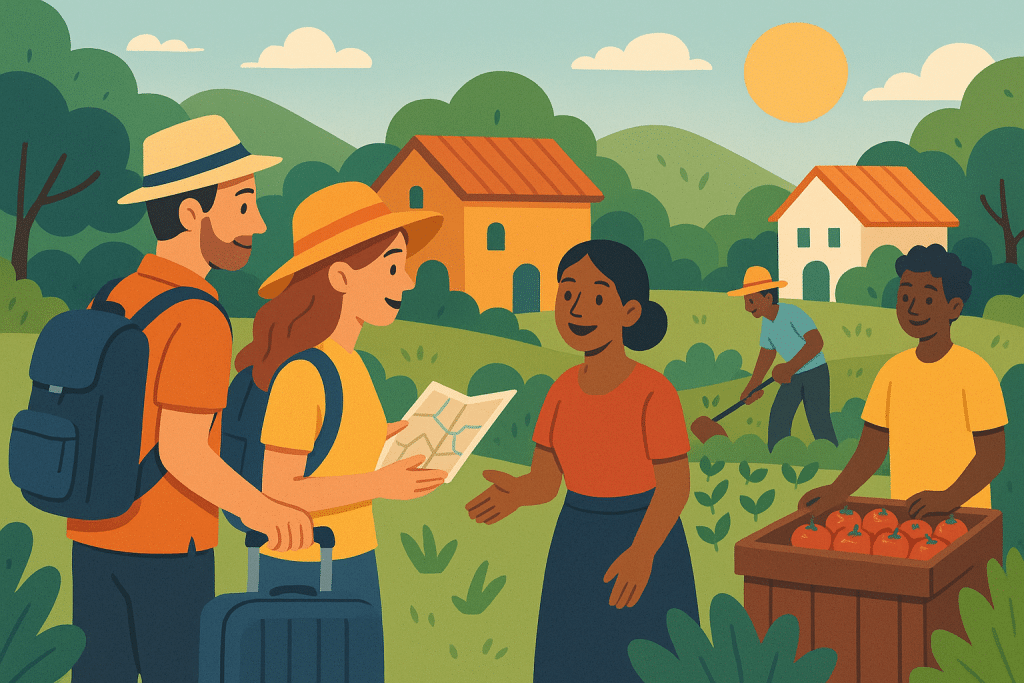
Key Travel Trend: Local-Focused Itineraries Rise in Popularity
Recent studies show that travellers are increasingly drawn to experiences that support local culture, artisans, and small businesses rather than mass-market tourism.
- In the 2025 Global Travel Trends Report, 73% of global respondents said it’s important for them to support local businesses when they travel.
- Also, platforms and destinations are designing Community-Based Tourism (CBT) projects to place control, opportunity, and benefits in the hands of community members themselves.
These shifts are more than “nice to have”—they respond to growing demand, and are shaping what travel looks like now and in the near future.
What’s Driving This Movement
- Desire for authenticity & meaningful travel
Travelers no longer just collect places they’ve been. They want stories, cultural exchange, something unique. Immersive stays, local-led tours, craft workshops, community cuisine all attract attention. - Sustainable development & backlash against overtourism
Overcrowded destinations, environmental stress, and tourism leakage (profits flowing out, not staying local) have pushed stakeholders to rethink tourism models. Supporting locals becomes part of sustainability—economic, social, and environmental. - Technology + platforms enabling local entrepreneurs
Digital platforms are helping locals reach travelers directly, bypassing middlemen. Examples: local “experiences” marketplaces, homestay networks, curated community tourism platforms. These tools are emerging and scaling. - Travelers’ values shifting
Particularly among younger generations (Millennials, Gen Z), there’s more emphasis on ethics, sustainability, community impact. They are willing to pay more for itineraries that align with those values.
Emerging Models & Innovations in Travel Planning that Supports Local Communities
Here are some of the newest strategies and models that travel planners, platforms, and travellers are using to ensure local communities benefit—not just hosts or big companies.
| Model / Approach | What it is | How it supports locals |
|---|---|---|
| Community-Based Tourism (CBT) Cooperatives | Networks of local businesses (guides, artisans, hosts) that organize together to offer experiences and share profits. | Keeps revenue in the community; builds local ownership; ensures standards and sustainable practices. For example, Andros Island in the Bahamas has created CBT collectives that trained over 100 local businesses in marketing, branding, and digital skills. |
| Homestays + Village Stays | Staying in homes run by local families rather than hotels. Often including meals, local guides, cultural activities. | Direct income for families; cultural exchange; sometimes funds social or infrastructure projects. Example: in Nepal, the Community Homestay Network helps Indigenous Aath Pahariya Rai women host visitors, generating income and contributing to local projects like rainwater harvesting. |
| Experiential & Immersion Travel | Activities like craft workshops, cooking classes, local community tours rather than standard sightseeing. | Helps preserve traditions, passes on local skills, and gives marginalized artisans exposure & income. Platforms that facilitate this (e.g. small local tour operators, or online marketplaces) help connect travellers with these experiences. |
| New Tech & Narrative Itineraries | Using AI, storytelling frameworks, or location-based technologies (e.g. AR—augmented reality) to provide itineraries that highlight local heritage, narratives, and community voices. | Increases engagement; gives community control over how their stories are told; can bring visitors off the beaten path into less visited communities in sustainable ways. One case study: the Thámien Ohlone AR Tour, which uses AR to let Indigenous communities share their histories in place. |
| Marketplace Platforms for Local Hosts / Local Experiences | Platforms where local guides, artisans, or hosts can list their services / experiences directly, often with tools or training to help with reach and professionalism. | Removes intermediaries; increases income share for locals; can raise visibility of small or rural communities. Example: ViaVii, which connects locals (especially women and youth) to travellers seeking immersive experiences. |
How to Plan Travel that Actually Benefits Local Communities
If you want your travel to contribute, not just consume, here’s a practical guide for doing it right.
(Also: this is where incorporating the keyphrase travel planning that supports local communities matters.)
1: Research Before Booking
- Check whether your accommodation is locally owned (family-run guesthouses, homestays, community lodges) rather than big chains.
- Look for tourism operators / guides who are from the community or employ locals.
- See if experiences are fair and transparent: do local artisans get paid; do locals lead the experience; are there long-term benefits (environment, infrastructure)?
2: Prioritize Community-Based Tourism Options
- Seek out CBT cooperatives or platforms.
- Choose homestays / village stays. These tend to direct more income locally.
- Prefer workshops, local crafts, or food tours run by locals.
3: Be Mindful of Environmental & Cultural Impact
- Respect local customs, dress codes, and etiquette.
- Limit single-use plastic and waste.
- If a community is fragile environmentally, avoid large groups or peak-season crowds.
4: Use Tech & Narrative Tools Wisely
- Use platforms that highlight community content (blogs, AR tours, local storytelling).
- When possible, pick itineraries that go off the beaten path: these help spread visitor benefits more evenly.
- Support sustainable marketplaces that give locals visibility and fair revenue.
5: Give Back Beyond Spending
- Leave positive reviews for local businesses; help them grow.
- If possible, contribute to community projects (e.g. water projects, education, crafts). Even small donations or volunteering via credible organisations can help.
- Promote sustainable travel practices among your own network.
Challenges & What to Watch Out For
Travel planning that supports local communities sounds ideal—but there are pitfalls. Knowing them can help you avoid doing unintended harm.
- Greenwashing / “Local-washing”: Sometimes accommodations or tours claim to be “local” or “community-led” without transparency. Always look for evidence (reviews, local ownership, how profits are shared).
- Overdependence on Tourism: If a community relies too heavily on tourists, shocks (pandemic, political instability) can harm them. Balanced economy is healthier.
- Cultural commodification: Traditions and culture can be exploited or turned into shallow performances for tourists. Aim for genuine exchange, not costume.
- Access and infrastructure inequalities: Some communities don’t have good roads, water, health care. Visiting can create pressure unless managed properly.
What’s Coming Next: Emerging Trends to Watch
- AI & Narrative-Driven Itineraries: Tools that generate itineraries based not just on attractions, but on local stories, seasonal rhythms, and community input. (See narrative itinerary research projects.)
- AR / VR guided local history & cultural heritage: Immersive tech that lets visitors experience local heritage in situ, often with guides or community co-designers.
- Carbon / Sustainability metrics baked in: Travel platforms giving more visibility to destinations’ carbon footprint, waste policies, local environmental practices. Choosing trips not just for culture, but for environmental justice.
- Decentralized platforms & micro-entrepreneurship: More tools for local people—especially in rural and remote areas—to list, promote, and manage their own tourism products.
Conclusion
If you care about meaningful travel, travel planning that supports local communities isn’t just altruism—it’s becoming a central demand and a major force in how travel evolves. By choosing where you stay, who you engage with, how you consume—your trip can boost local economies, preserve culture, and reduce environmental harm.
Start planning with intention:
- Ask whether locals are benefiting
- Choose community-based experiences
- Use tech wisely
- Be respectful
Over time, these small decisions become part of a larger movement: one where travel is equitable, authentic, and respectful of the people and places that make our world rich.
References
- Goodwin, H. (2019) Responsible Tourism: Using Tourism for Sustainable Development. 2nd edn. London: Routledge. Available at: https://doi.org/10. (Accessed: 22 September 2025).
- UNWTO (2021) Tourism for Inclusive Growth. Madrid: United Nations World Tourism Organization. Available at: https://www.unwto.org/ (Accessed: 22 September 2025).
- Scheyvens, R. and Biddulph, R. (2018) ‘Inclusive tourism development’, Tourism Geographies, 20(4), pp. 589–609. Available at: https://doi.org/10.1080 (Accessed: 22 September 2025).

 Nutrition Tips That Support Active Lifestyles