Why You See More Red Light Therapy Everywhere
Emily Ward December 4, 2025
Curious about why red light therapy is showing up at spas, gyms, and trending on social media? Dive into this detailed guide to understand how red light therapy fits into the world of skin rejuvenation, non-invasive beauty, and natural wellness. Explore science, benefits, safety, and what everyday users have discovered.
What Drives Interest in Red Light Therapy?
Red light therapy, also known as low-level light therapy or photobiomodulation, is becoming a staple in the beauty and wellness routines of people seeking gentle yet impactful skin care alternatives. Traditionally found in dermatology clinics, it’s now popping up in home devices and fitness centers. Red light treatment claims to assist with skin brightness, combat signs of aging, and support overall skin wellness, making it a buzzworthy trend in holistic beauty circles. Research indicates that it triggers natural processes within the body, helping to support collagen production, which is a structural protein crucial for maintaining firmness and elasticity. This surge in popularity demonstrates growing consumer desire for non-invasive beauty solutions and holistic self-care approaches (https://www.ncbi.nlm.nih.gov/pmc/articles/PMC8576594/).
Modern wellness consumers are motivated by a search for gentle, side-effect-free methods to address common concerns such as fine lines, dryness, and skin inflammation. Demand for red light therapy is not just a passing fad; it’s carried by years of scientific studies exploring its effects on skin health, wound healing, and even post-exercise muscle recovery. Many brands now offer user-friendly, at-home devices that promise spa-like results, responding directly to consumer requests for convenient and affordable beauty innovations.
Technology has made therapies once restricted to medical offices accessible to everyday users. Red light therapy, with its clinical origin, has moved into mainstream daily routines, bridging the gap between science-led skincare and home wellness. The therapy’s gentle approach stands in contrast to more abrasive interventions, appealing to those wary of complex ingredients or harsh treatments. This shift is reinforced by messaging from skin experts and wellness influencers who highlight both potential benefits and scientific caveats, keeping awareness grounded in reality.
How Red Light Therapy Works On a Cellular Level
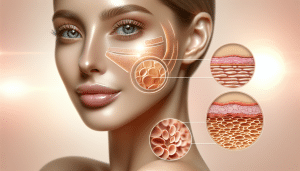
Understanding how red light therapy functions requires looking inside the cell. Unlike invasive procedures or topical serums, this technique delivers specific wavelengths of red and near-infrared light into skin tissue. Scientific studies suggest these wavelengths interact with a cell’s mitochondria, the energy centers, stimulating production of adenosine triphosphate (ATP) (https://www.ncbi.nlm.nih.gov/pmc/articles/PMC5523874/). With a boost in energy, skin cells can perform their repair and regeneration processes more efficiently. It’s this unique energy-based mechanism that underlies much of the buzz around glowing skin, improved tone, and faster healing.
Red wavelengths (typically between 620 and 750 nanometers) penetrate just below the skin’s surface, supporting cell turnover without damaging skin layers. Near-infrared light reaches deeper, potentially improving circulation and reducing local inflammation. This dual-action synergy is at the heart of why red light therapy is often discussed as a tool for both cosmetic and wellness-focused goals. Mitochondrial rejuvenation, while a complex physiological process, is viewed as a holistic way to promote healthier skin from within, which is appealing for long-term results.
While the science is promising, many experts caution that results build gradually. Unlike procedures with dramatic before-and-after images, red light therapy relies on consistency and time. This is why users are encouraged to integrate the technique into a regular beauty or self-care routine, giving cells the opportunity to benefit from repeated, controlled exposure. Skin specialists emphasize the importance of managing expectations to avoid disappointment or misuse, keeping the public’s trust in this approach strong.
Main Benefits Linked to Red Light Therapy
Glowing, smoother skin is widely reported among those who incorporate red light therapy into their skincare rituals. Peer-reviewed research points to its impact on collagen synthesis, making it a sought-after method for non-surgical skin rejuvenation (https://www.mayoclinic.org/tests-procedures/red-light-therapy/about/pac-20484696). Consistent use has been shown to reduce the appearance of fine lines and wrinkles, improve skin texture, and support a fresher, more youthful appearance without needles or peels. It is also attractive for people with sensitive skin who may struggle with harsher topical treatments.
Red light therapy’s anti-inflammatory effects stretch beyond just beauty. Some evidence suggests it can help minimize redness and swelling related to acne or minor injuries, giving it a place in the toolkit for those who want versatile, gentle solutions. Fitness enthusiasts sometimes use it for muscle recovery, aiming to reduce soreness after intense activity – though it’s more frequently marketed for skincare. Highlighting these wellness angles has contributed to surging demand and crossover use between beauty and lifestyle segments.
Individuals searching for holistic health often prefer treatments with few side effects. Studies suggest red light therapy, when properly administered, causes minimal discomfort and carries a low risk of adverse reactions. This has fueled enthusiasm among wellness communities, as it fits the trend toward “natural” and “clean” beauty, a movement driven by consumer interest in products and routines perceived as gentle and safe. It’s a significant reason why the therapy is often recommended alongside other self-care practices.
What to Know About Safety and Effectiveness
As with any wellness trend, it’s crucial to examine the safety profile of red light therapy. Leading health authorities say that, for most users, red light devices are safe when used according to manufacturer guidelines and not overused (https://www.fda.gov/medical-devices/all-medical-devices/public-health-notification-red-light-therapy-devices). However, there are nuances: Eye protection is often recommended, especially for high-intensity devices, and those with photosensitive conditions or taking medications that increase light sensitivity should consult their physician before use.
Effectiveness can vary depending on the condition and the consistency of use. While research is robust for mild aging and wound healing, more studies are needed for claims linked to hair growth, chronic pain, or complex medical concerns. The lack of a universal regulatory standard for at-home devices means that quality and power can differ greatly, so it’s important to look for products supported by clinical evidence or peer-reviewed trials. Consumer awareness and research remain vital, and caution is always advised when something sounds too good to be true.
When reviewing before-and-after stories, keep in mind the difference between anecdotal experiences and validated outcomes. Dermatologists emphasize setting realistic expectations and combining red light therapy with established skincare basics like sun protection and hydration. Approaching this trend with informed curiosity can help you make the most of its potential without falling for unsupported promises.
Integrating Red Light Therapy Into a Daily Routine
Whether choosing in-clinic sessions or portable at-home devices, integrating red light therapy is now easier than ever. For those new to the practice, many experts suggest starting with a schedule of two to five sessions per week, each lasting between 10 and 20 minutes (https://www.dermnetnz.org/topics/red-light-therapy). Over time, consistency tends to yield stronger, more noticeable results. Pairing the therapy with moisturizing and sun protection helps maximize outcomes.
Red light therapy can act as a complement to both professional skincare routines and at-home pampering sessions. Many users build it into evening routines as a calming, meditative ritual. Discussion boards and user communities emphasize personalization: Some prefer post-workout sessions to help with muscle soreness, while others enjoy morning applications to kickstart skin radiance for the day.
Timing and frequency may need adjustment based on skin type, age, and individual goals. Consulting with a board-certified dermatologist before starting is suggested, especially for those with chronic skin conditions or health concerns. Honest communication with medical professionals helps avoid pitfalls and ensures therapies align with both expectations and safety needs. This collaborative approach reinforces the message that successful self-care is a partnership between personal curiosity and expert guidance.
What to Look For If Shopping for Devices
The at-home red light therapy device market is large and varied. Devices can range from small wands to full-face masks or even larger panels, each promising professional-grade results. When considering purchase, it’s important to review the wavelength specifications (ideally around 630–850 nm range) and to check for third-party certifications or evidence supporting their claims (https://www.aad.org/public/diseases/a-z/red-light-therapy). Avoid gadgets that lack transparency about their technology or clinical testing. Shopping mindfully ensures safety and effective results.
Budget, time commitment, and lifestyle are also factors to weigh. Higher-price models may offer more consistent light output and additional safety features, but it is important not to assume that cost alone guarantees better outcomes. Online forums and professional sources often highlight mid-range, FDA-cleared devices as a reasonable balance between performance and value, but each user’s needs are unique.
Finally, seek reputable customer support and a clear warranty or return policy. With a growing market for wellness devices, manufacturer support has become a marker of legitimacy and trust. Consider reading cross-platform reviews and discussing purchases with a skincare specialist who can evaluate compatibility and safety for your skin profile. Taking the time to assess each device’s credentials can help ensure that you enjoy safe, effective red light therapy at home.
References
1. Avci, P., Gupta, A., Sadasivam, M., Vecchio, D., Pam, Z., Pam, N., & Hamblin, M. R. (2013). Low-level laser (light) therapy (LLLT) in skin: stimulating, healing, restoring. https://www.ncbi.nlm.nih.gov/pmc/articles/PMC4126803/
2. Mayo Clinic. (n.d.). Red light therapy: Can it help with hair loss? https://www.mayoclinic.org/tests-procedures/red-light-therapy/about/pac-20484696
3. U.S. Food & Drug Administration. (n.d.). Public Health Notification: Red Light Therapy Devices. https://www.fda.gov/medical-devices/all-medical-devices/public-health-notification-red-light-therapy-devices
4. Lee, S. Y., Park, K. H., Choi, J. W., Kwon, J. K., & Lee, D. R. (2018). Rejuvenation and healing effects of red light-emitting diode irradiation. https://www.ncbi.nlm.nih.gov/pmc/articles/PMC5572606/
5. DermNet NZ. (n.d.). Red light therapy: Overview. https://www.dermnetnz.org/topics/red-light-therapy
6. American Academy of Dermatology Association. (n.d.). Red light therapy: What to know. https://www.aad.org/public/diseases/a-z/red-light-therapy

 Will AI Newsrooms Change the Way You Experience Journalism