Travel Planning That Supports Local Communities
Thomas Blake September 19, 2025
In 2025, community-based tourism planning is no longer a niche—it’s a major shift in the way people travel and destinations develop. Travelers want real connections, locals want sustainable income, and overtourism is forcing change. This article explores how travel planners and tourists can align to support local communities in meaningful ways.
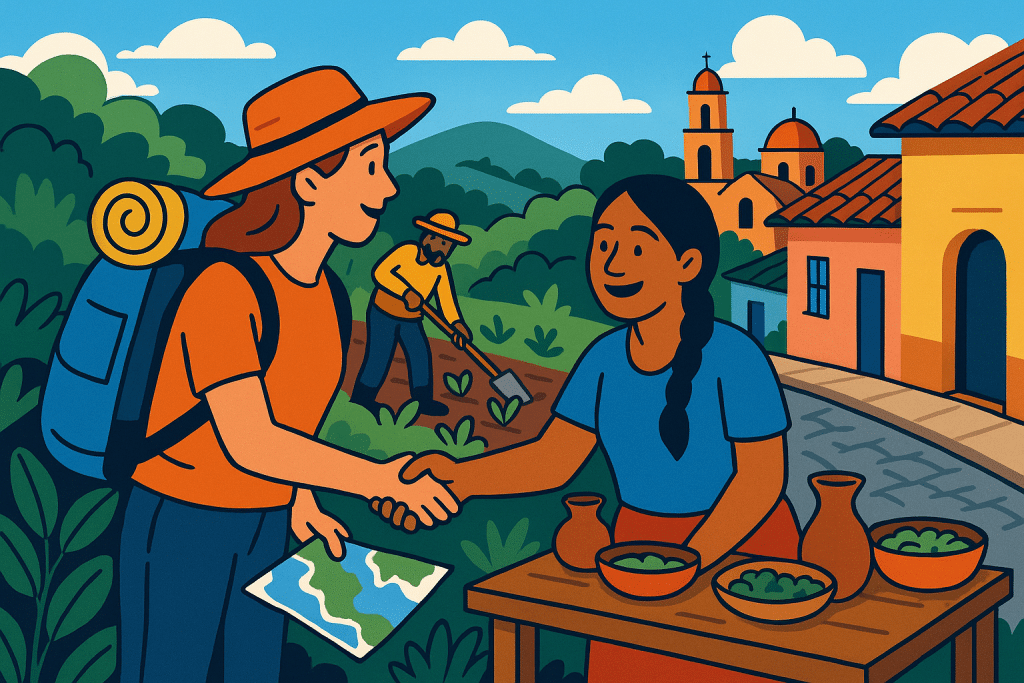
What Is Community-Based Tourism Planning?
Community-based tourism planning refers to organizing travel and tourism experiences with local residents involved in the design, management, and benefit sharing. This can include local guides, homestays, craft workshops, small lodging run by locals, local food sourcing, cultural exchanges, etc.
Unlike traditional mass tourism — where profits often flow out of local areas — this approach ensures more of the economic, cultural, and environmental benefits stay in the community.
Why It’s a Hot Trend in 2025
Several forces are driving community-based tourism planning into the spotlight:
- Rapid Growth of the CBT Market
According to Allied Market Research, the Community-Based Tourism (CBT) market was valued at about 576 billion dollars in 2022, and is projected to reach over 2,136.8 billion dollars by 2032, growing at a CAGR of ~14.1%. - Demand for Authentic Experiences
Travelers are increasingly seeking immersive, authentic cultural travel rather than generic tours. Experiences in which the local people are visible actors—not just service providers—are valued more. Sustainability and meaningfulness are part of the decision criteria.
Many popular destinations are facing issues: overcrowding, environmental degradation, loss of cultural identity, and external businesses capturing most tourist‐spending (i.e. “leakage”). Community-based planning offers a counterbalance: spreading benefits more evenly, retaining income locally, and preserving cultural and environmental assets. - Alignment with Global Policy Goals
The United Nations’ Sustainable Development Goals (SDGs) — particularly SDG 1 (No Poverty), SDG 8 (Decent Work and Economic Growth), and SDG 11 (Sustainable Cities and Communities) — are increasingly used as benchmarks for tourism planning. Research shows that well-designed CBT initiatives can contribute to those goals.
What “Community-Based Tourism Planning” Looks Like (Emerging Models & Examples)
Here are some of the newer or accelerating models and real-world examples:
| Model | What it means in practice | Example / Region |
|---|---|---|
| Local governance & revenue sharing | Local community councils or cooperatives negotiate how tourism revenue is shared; locals help set rules, rates, limits. | Tribal/indigenous tourism programs in places like Sarawak, Malaysia are seeing more initiatives led by Indigenous communities to manage visitor numbers and retain profits locally. |
| Homestays & micro-enterprises | Locals open homes or small guesthouses; also vendors selling crafts, food, guiding. Keeps economic flow inside community. | Villages in Uttar Pradesh, India (e.g. Karikot) have gained recognition for inclusive, women-led value chains and homestays. |
| Agriculture + tourism integration (Agritourism / Regenerative farms) | Visitors participate in farm life, farm-trail walks, help with harvests, or buy directly from farmers. Supports land preservation and incomes. | Regenerative agriculture-based stays are rising globally. Also the plantation trails in Dunagiri, India combine orchards, walking, and local product outlets. |
| Ecotourism and nature conservation linked to community benefit | Protected areas that share benefits with neighboring communities; locals as rangers/guides; conservation tied to livelihoods. | In Eastern Ghats, India, several eco-tourism sites are managed by tribal communities under forest department oversight; such efforts support both conservation and local income. |
Challenges & Risks
Planning, implementing, and using community-based tourism comes with pitfalls. To support local communities well, these issues need attention:
- Over-commercialization or loss of authenticity: When locals try to chase tourist trends too much, what was authentic can be flattened or commodified.
- Unequal benefit distribution: Some community members may capture more profit (e.g. property owners or those with more resources), leaving others out.
- Capacity & skills gaps: For local hosts, guides, artisans — managing quality, marketing, guest expectations, environmental impacts can require training, investment.
- Infrastructural pressure: Increased visitors require adequate infrastructure (water, waste, transport) that communities may not be prepared for.
- Environmental degradation: If not regulated, increased footfall or economic activity can harm ecosystems.
How to Plan Travel That Truly Supports Local Communities
If you want your travel to make a positive difference (and avoid unintended harm), here’s a practical guide:
1. Do your research in advance
- Find out if there are local tourism boards or community tourism associations operating in your destination.
- Look for certifications or markers of fair trade / sustainable / community-led operations.
- Read reviews from travelers who specifically emphasize community or local impact.
2. Choose locally-owned accommodations and services
- Stay in homestays, guesthouses, eco-lodges run by locals instead of large international chains.
- Hire local guides rather than “imported” ones; purchase food from local vendors; buy crafts directly from artisans.
3. Plan for smaller or off-peak travel
- Visit less-known sites, not just the major tourist hubs. This spreads economic benefits, reduces crowding, and often costs less.
- Travel during shoulder seasons when possible so that communities benefit year-round, not just peak times.
4. Engage respectfully with culture and environment
- Learn local customs, support cultural traditions in ways locals choose (not as tourist spectacle).
- Respect land, wildlife, resources; ask about visitor rules especially in natural or sacred sites.
5. Share feedback & stay engaged
- When you return home, share your experience in ways that highlight what worked (especially good community led local businesses).
- Support or donate (if appropriate) to community conservation or development projects, if they are legitimate and transparent.
6. Advocate for policy & infrastructure
- Support or vote with your wallet: choose travel providers who give back.
- Encourage destinations’ authorities to invest in sustainable infrastructure and equitable governance.
Case Studies: What’s Working
- Karikot Village, Uttar Pradesh, India: As mentioned earlier, Karikot has been awarded for its inclusivity work; the community runs homestays and turmeric processing, crafts, with multiple religious communities collaborating.
- Eastern Ghats Eco-tourism Sites, India: Local tribal communities managing eco-tourism under forest department oversight. Examples include trekking and visitor lodging managed locally, helping locals derive livelihood from nature they live beside.
- Global CBT Case Studies: The Travel Foundation compiled more than 20 real examples where tourism boosted entrepreneurship and well-being in local communities.
What This Means for Travel Planners, Companies, and Travelers
- For travel companies / planners: Incorporate community-impact metrics into your planning; partner with local businesses in profit-sharing or co-management models; invest in capacity building.
- For destinations / governments: Enact and enforce policies to reduce leakage, ensure fair wages; facilitate community participation in decision-making; provide infrastructure support.
- For travelers: You have real power. Being a conscious traveler means making choices that support rather than exploit. And in many cases, those trips are more meaningful, memorable, and sometimes less expensive than high-luxury alternatives.
Conclusion
Community-based tourism planning is more than a trend—it’s increasingly essential for sustainable, ethical, and socially beneficial travel. When done well, it helps protect culture, ecology, and gives dignity and income to people who live where you travel.
As tourism continues its rebound in 2025 and beyond, both travelers and destination stakeholders have a chance to shape how that growth happens. The goal is not just visiting beautiful places, but ensuring those places, and the communities that make them special, thrive.
References
- Goodwin, H. (2017) The importance of tourism to local communities. Responsible Travel. Available at: https://www.responsibletravel.com/ (Accessed: 19 September 2025).
- World Tourism Organization (UNWTO) (2021) Tourism for inclusive growth. UNWTO. Available at: https://www.unwto.org/ (Accessed: 19 September 2025).
- Scheyvens, R. and Biddulph, R. (2018) ‘Inclusive tourism development’, Tourism Geographies, 20(4), pp. 589–609. Available at: https://doi.org/10.10805 (Accessed: 19 September 2025).

 Tips for Organizing Small Apartments Efficiently