Secrets You Might Not Know About Retinol for Glowing Skin
Emily Ward November 26, 2025
Unlock the transformative power of retinol for a radiant complexion. This guide dives into the benefits, usage tips, and real expectations of retinol in skincare routines, offering evidence-based advice and expert-backed strategies designed to help reveal smoother, healthier-looking skin.
The Science Behind Retinol and Your Skin
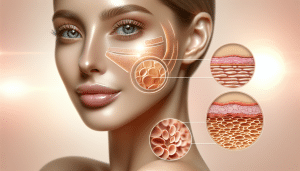
Understanding how retinol works can clear up many misconceptions around this powerhouse ingredient. Retinol, a derivative of vitamin A, penetrates the upper layers of the skin to speed up cell renewal and stimulate collagen production. As these two processes are essential for maintaining smooth, youthful-looking skin, it’s no surprise retinol is often recommended in many skincare guides dedicated to radiant complexions (Source: https://www.nih.gov/news-events/nih-research-matters/retinol-cuts-signs-aging).
One reason dermatologists suggest incorporating retinol is its unique ability to address multiple skin goals simultaneously. It targets concerns like fine lines, uneven tone, and visible pores. In comparison with other actives found in modern skincare products, retinol is especially prized because evidence shows it can help reduce hyperpigmentation and improve overall skin texture. The well-researched nature of retinol, acknowledged in many peer-reviewed studies, provides confidence for those looking to bolster their skincare routines.
For those navigating ingredient labels in pursuit of glowing skin, understanding why retinol stands out is key. Unlike superficial moisturizers or gentle exfoliants, retinol is classified as a cell-communicating ingredient. This means it can prompt cells to behave more like younger, healthier ones. The result is not just surface-level brightness, but deeper changes that support lasting skin wellness (Source: https://www.ncbi.nlm.nih.gov/pmc/articles/PMC2699641/).
Integrating Retinol Into a Skincare Routine
The process of adding retinol to a skincare regimen often raises questions about safety and compatibility with other products. Experts advise starting with a lower concentration and gradually increasing usage to avoid irritation, as the skin builds tolerance. Applying retinol at night, after cleansing and before moisturizing, is a common technique recommended by dermatologists for optimal results (Source: https://www.aad.org/public/everyday-care/skin-care-secrets/routine/skin-care-routine-retinoids).
Regular use of sunscreen becomes especially important when using retinol. This is because retinol can make the skin more sensitive to sunlight, which increases the risk of irritation or pigmentation. When retinol and broad-spectrum sunscreen are combined within a routine, users tend to see enhanced results with less risk of side effects or sun damage. Carefully layering skincare products ensures their active ingredients remain effective and safe.
To further minimize discomfort, spacing out retinol application—using it every other night or just a few times per week initially—can help. Moisturizers with ceramides or calming ingredients can reduce dryness or flaking while the skin adapts. By customizing a routine, individuals can address common concerns, making the journey toward glowing skin with retinol more comfortable and sustainable.
Benefits of Retinol for Diverse Skin Types
Retinol is a versatile ingredient used in routines targeting a range of skin issues, not just aging. People with oily or blemish-prone skin may find that retinol can assist in minimizing breakouts by unclogging pores and balancing oil production. In contrast, for those with dry or sensitive skin, the inclusion of gentle, hydrating companions—like hyaluronic acid—creates a more balanced approach that reduces potential irritation from retinol alone.
Dark spots, uneven skin tone, and lingering sun damage are also common reasons retinol is added to targeted care regimens. Clinical research indicates that retinol supports the fading of hyperpigmentation over time, especially when used consistently and paired with adequate sun protection. This dual function makes it a favorite for individuals seeking comprehensive improvements in tone and clarity (Source: https://www.dermatologytimes.com/view/retinoids-offer-multiple-benefits1).
Even older adults exploring wellness-focused beauty approaches are increasingly considering retinol’s role in managing visible aging. With continued use, many notice smoother skin and softer lines. While transformation can take several weeks, many of the most trusted beauty resources highlight retinol as an accessible way to encourage natural radiance—regardless of age or baseline skin condition.
Common Misunderstandings and Safety Tips
There’s no shortage of myths about retinol—some believe it thins the skin or causes permanent redness. In reality, scientific reviews suggest retinol, when used appropriately, strengthens the skin barrier and promotes resiliency. Irritation is possible but often temporary, especially when starting at lower strengths or seeking advice from a certified dermatologist (Source: https://www.aad.org/public/diseases/a-z/retinoids-overview).
Retinol is sometimes confused with more potent prescription retinoids. Over-the-counter formulas are less intense, making them widely suitable for most adults. However, certain individuals—such as those pregnant or with particular skin disorders—should avoid retinol unless supervised by a qualified health professional. This careful approach helps ensure retinol is both safe and effective.
Patience is key; visible results usually develop over months, not days. A gradual routine, attention to other ingredients, and sun safety lead to the best outcomes. Always read the product label and watch for reputable third-party certifications to confirm quality—this is a simple safeguard that pays off in skin health and peace of mind.
Setting Realistic Expectations for Radiant Results
Many individuals try retinol anticipating instant improvements in fine lines or brightness. In practice, noticeable changes often require consistent use for several weeks to months. Studies underscore the importance of ongoing application, highlighting that while subtle improvements may appear early, sustained benefits accumulate over time (Source: https://www.ncbi.nlm.nih.gov/pmc/articles/PMC3970829/).
Skin cycling, or taking periodic breaks from retinol, can be integrated into routines to minimize sensitivity and maximize long-term effects. Balancing retinol with nourishing ingredients—such as peptides, niacinamide, or ceramides—contributes to resilient, glowing skin. Tracking progress with before-and-after photos can provide helpful perspective and support realistic goal setting.
Ultimately, wellness in beauty comes from understanding the transformative process. Knowledge, consistency, and personalization are the pathways to achieving radiance. For those committed to crafting healthier routines, retinol represents one of the most researched and reliable options available within modern skincare.
Navigating the Future of Skincare With Retinol
The field of skincare research continues to innovate, yet retinol remains a foundational ingredient for anyone seeking comprehensive results. Its scientific backing inspires ongoing exploration, with new application methods, alternative formulations, and supportive technologies regularly emerging in the beauty world. Adaptation, not perfection, is the secret to lasting success in this evolving landscape.
As sustainable and ethical sourcing gain recognition, consumers also have choices to make regarding packaging, formulation, and company values. Retinol-based products found in environmentally responsible packaging or crafted from cruelty-free components can contribute to both personal and collective wellness. Seeking out transparency from brands is increasingly valued in modern routines.
Education remains the linchpin for success: staying updated through certified guides, dermatologist forums, and respected publications empowers individuals to navigate new trends safely. An informed approach ensures that every addition to a routine—retinol or otherwise—supports not only glowing skin, but a holistic sense of health and confidence.
References
1. National Institutes of Health. (n.d.). Retinol cuts signs of aging. Retrieved from https://www.nih.gov/news-events/nih-research-matters/retinol-cuts-signs-aging
2. American Academy of Dermatology. (n.d.). Skin care routine: Retinoids. Retrieved from https://www.aad.org/public/everyday-care/skin-care-secrets/routine/skin-care-routine-retinoids
3. Mukherjee, S. et al. (2006). Retinoids in the treatment of skin aging: An overview of clinical efficacy and safety. Retrieved from https://www.ncbi.nlm.nih.gov/pmc/articles/PMC2699641/
4. Dermatology Times. (n.d.). Retinoids offer multiple benefits. Retrieved from https://www.dermatologytimes.com/view/retinoids-offer-multiple-benefits1
5. American Academy of Dermatology. (n.d.). Retinoids overview. Retrieved from https://www.aad.org/public/diseases/a-z/retinoids-overview
6. Zasada, M. & Budzisz, E. (2019). Retinol in the treatment of skin aging—an overview. Retrieved from https://www.ncbi.nlm.nih.gov/pmc/articles/PMC3970829/

 Secrets You Might Miss About Scaling a Startup