You Won’t Believe These Home Organization Secrets
Clara Mitchell November 17, 2025
Discover the art of effective home organization with strategies that blend style and functionality. This guide explores practical ways to transform everyday spaces using clever storage ideas, decluttering tips, and design inspiration for a balanced, stress-free living environment.
Why Home Organization Matters for Wellbeing
The state of a living space has a profound impact on overall wellbeing. Home organization goes beyond arranging furniture and tidying up; it’s about creating an environment that supports both mental clarity and daily productivity. A cluttered space can lead to higher stress levels, making it difficult to concentrate or relax. On the other hand, organized rooms often promote calmness, allowing for smoother routines and a sense of control. Many research studies have shown that decluttering can ease feelings of anxiety and improve focus, linking home organization to emotional and psychological health.
Another critical aspect is the relationship between home organization and time management. Searching for lost keys, misplaced bills, or missing shoes can quickly eat into precious minutes. Streamlining storage and creating easy-to-follow systems help prevent these daily frustrations. Thoughtful organization enables swift access to essentials and reduces procrastination, fostering better productivity. For families, this means less morning chaos and fewer last-minute scrambles. Friends or visitors will also notice the difference — a tidy home creates a welcoming atmosphere without the rush to stash clutter away.
More than just aesthetic, organized environments promote healthier habits. When a pantry is arranged by food group and expiration date, it’s easier to choose nutritious snacks over processed options. Clean counters encourage more frequent home cooking, leading to better dietary choices. Bedrooms free from piles of laundry invite restful sleep. In these ways, home organization quietly shapes daily routines, encouraging healthier decisions and supporting both physical and mental wellness. It’s a life enhancer, not just a housekeeping chore.
Decluttering: The First Critical Step
Decluttering is the foundation of any successful home organization plan. Before storing items or revamping spaces, it’s essential to assess what is truly needed. The process involves letting go of duplicates, outgrown possessions, and things that no longer spark joy or serve a purpose in daily life. Some people follow the famous ‘one in, one out’ rule to maintain a balanced inventory. For others, designating a dedicated donation bin helps keep the flow of belongings manageable. Decluttering is not a one-time task — it’s best approached as an ongoing habit.
Emotional attachments often make it hard to part with some items. To avoid decision fatigue, experts recommend decluttering one category or area at a time, such as books, kitchen gadgets, or clothing. Taking photos of sentimental items before letting go can ease the process. A major benefit of this approach is increased confidence and self-awareness as decisions become more intentional. The path from cluttered to tidy may involve setbacks, but gradual progress is more sustainable. Small daily efforts eventually add up to big changes in space and mindset.
Once unnecessary items are removed, the rest of the organization journey becomes much simpler. With fewer items to manage, storage solutions work better and spaces feel more open. This ‘lightening’ of the household can be both physically liberating and emotionally rejuvenating. Studies suggest that living in clutter-free environments correlates with higher reported happiness and lower levels of stress. Decluttering empowers people to reclaim both their physical environment and their peace of mind.https://www.nytimes.com/guides/smarterliving/how-to-clean
Creative Storage Strategies for Every Room
Effective home organization depends heavily on creative storage solutions. Each room comes with its own challenges, but versatile ideas abound. In the entryway, wall hooks and baskets corral shoes, keys, and mail, making entry and exit smooth. Under-bed containers in the bedroom provide ample room for off-season linens and clothing. Kitchen spaces benefit from vertical organization — adding additional shelves, door-mounted racks, and labeled canisters keeps frequently used items within reach while maximizing every square inch. The living room can transform with multi-use furniture, like ottomans that provide both seating and hidden storage.
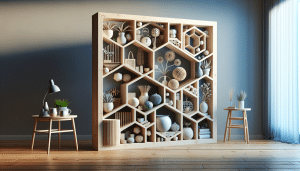
For smaller spaces or shared areas, modular shelving offers flexible options for books, plants, and decorative objects. Consider investing in storage cubes that slide into open shelving for a blend of style and function. In bathrooms, tiered carts or drawer dividers keep toiletries sorted and surfaces clear. The key is to match storage solutions with actual needs — too many bins or baskets can add to the chaos rather than minimize it. Well-planned storage allows people to enjoy their favorite possessions without sacrificing visual calmness.
DIY solutions can further personalize organization efforts while keeping budgets in check. Repurposing old jars as craft supply holders, transforming crates into rolling storage, or adding hooks to the inside of cabinet doors can dramatically improve functionality. Home organization isn’t just about buying more containers; it’s about finding clever ways to make existing space work harder. A blend of store-bought and handmade solutions brings character to living spaces and encourages ongoing upkeep. Custom ideas foster creativity, making the process both satisfying and uniquely one’s own.https://www.houzz.com/magazine/15-stylish-small-entryways-full-of-ideas-to-steal-stsetivw-vs~107240084
Design Inspiration to Boost Motivation
Visual appeal fuels motivation to maintain an organized home. Decorating spaces with color-coded bins or attractive baskets transforms mundane chores into creative projects. Open shelving displays favorite objects, while a gallery wall can double as hidden storage with cleverly designed shelves. Matching containers add harmony to closets and pantries, making everything from spice jars to shoes visually satisfying. People are often more likely to keep up with organization when it feels enjoyable and visually impactful.
Lighting also plays a crucial role. Well-lit shelves draw attention to order and neatness, helping maintain systems put in place. Labeling not only for pantries, but for linen closets and toy chests, adds another layer of design clarity. For families, using different colors or shapes for each person’s belongings can turn clean-up into a game for kids while simplifying sorting for adults. Layering design with function creates cheerful, productive spaces that support daily habits.
Seasonal updates keep organization efforts feeling fresh. Swapping throw pillows, rearranging art, or switching out baskets according to the time of year renews interest in tidiness. Inspiration boards help clarify visions, whether the goal is a minimalist sanctuary or a maximalist collector’s paradise. Social media platforms and home design blogs offer countless examples and tutorials, making it easy to find ideas that fit personal taste. Creative organization is an ongoing process meant to evolve — and delight — with the rhythms of life.https://www.architecturaldigest.com/story/how-to-organize-your-home
Organizing for Families: Balancing Fun and Function
Family homes bring unique challenges, but also unique rewards. The goal is to design systems flexible enough for chaos, yet sturdy enough to support order. Accessible low shelves allow children to put away toys by themselves. Clear bins for snacks empower them to make choices and return items to their proper place. Wall-mounted organizers for backpacks and paperwork keep entryways manageable and routines smoother. The most successful family systems combine gentle structure with adaptability, evolving as children grow.
Communication is vital in shared households. Family meetings can establish routines—like weekly cleanups or assigning responsibility for shared spaces. Giving each person a personal zone (a cubby, shelf, or box) helps foster independence while keeping clutter under control. The more everyone is involved in creating organizational systems, the better the odds they’ll stick. Make organization fun: add labels with playful fonts, reward creative sorting, and celebrate progress, no matter how small.
Ultimately, a family-friendly organizational approach encourages teamwork and respect for shared space. Systems should support, not stifle, individuality. Customization is key—with options like magnetic boards for reminders or cozy nooks for reading. Family life thrives when home organization adapts to real-life unpredictability and includes everyone’s input. The process becomes a journey that not only reduces mess, but builds life skills and shared pride.https://www.childrens.com/health-wellness/8-tips-to-declutter-with-kids
Staying Organized for the Long Term
Maintaining home organization is an ongoing journey, not a one-time achievement. Setting aside regular intervals for quick catch-ups prevents small messes from ballooning into major projects. Many people find that a five-minute tidy before bed or a weekend closet review makes upkeep feel effortless. Establishing daily routines — like resetting public spaces in the evening or doing laundry on set days — streamlines maintenance and reduces resistance. Consistency is the secret weapon of the perpetually organized.
It’s natural for systems to need adjustments over time. As hobbies, family size, or commitments change, so do storage needs. The best organization solutions are flexible, allowing for easy revisions. Regularly revisiting the flow of items in and out of the home protects against the gradual creep of clutter. Don’t be afraid to refresh storage or rework processes as life evolves. Organization is most effective when it adapts to current realities, not just original plans. Mindset shifts are crucial, too — focus on progress, not perfection.
Celebrating small victories sustains motivation. Taking pride in even tiny improvements builds confidence and reinforces helpful habits. When things fall out of place, it’s simply an opportunity to reassess and restart. Home organization is about balance, not rigid order. Ultimately, it supports wellbeing by clearing the way for creativity, rest, and meaningful connection — the true goals of a lived-in, nurturing home.https://www.psychologytoday.com/us/blog/thinking-about-kids/201909/the-psychology-clutter
References
1. The New York Times. (n.d.). How to Clean. Retrieved from https://www.nytimes.com/guides/smarterliving/how-to-clean
2. Houzz. (n.d.). 15 Stylish Small Entryways Full of Ideas to Steal. Retrieved from https://www.houzz.com/magazine/15-stylish-small-entryways-full-of-ideas-to-steal-stsetivw-vs~107240084
3. Architectural Digest. (n.d.). How to Organize Your Home. Retrieved from https://www.architecturaldigest.com/story/how-to-organize-your-home
4. Children’s Health. (n.d.). 8 Tips to Declutter With Kids. Retrieved from https://www.childrens.com/health-wellness/8-tips-to-declutter-with-kids
5. Psychology Today. (2019). The Psychology of Clutter. Retrieved from https://www.psychologytoday.com/us/blog/thinking-about-kids/201909/the-psychology-clutter
6. National Institutes of Health. (2017). Declutter Your Life and Mind. Retrieved from https://newsinhealth.nih.gov/2017/02/declutter-your-life-mind

 Mistakes Homebuyers Make That Cost You More