Secrets You Might Not Know About Collagen
Emily Ward November 17, 2025
Unlock the mysteries behind collagen and explore why so many look to it for radiant skin, healthy hair, and overall well-being. This guide covers what collagen does, factors that affect its levels, and how it fits into your daily wellness and beauty routine.
The Power of Collagen in Beauty and Wellness
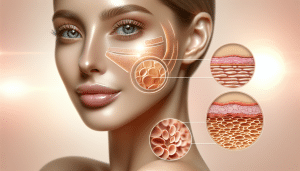
Collagen is one of the most talked-about elements in the beauty and wellness industry. This structural protein is found naturally in the body and plays an important role in the health of your skin, hair, and nails. Its unique triple-helix formation creates a network that keeps skin looking plump and resilient. Collagen levels decline with age, leading many to wonder how to maintain or enhance them for that coveted glow. Modern beauty routines increasingly include collagen-rich foods and supplements, but understanding the real science is helpful for making the right choices. The value of collagen goes beyond aesthetics, as it supports connective tissues throughout the body and can be a foundational piece for both beauty and healthy living (https://www.hsph.harvard.edu/nutritionsource/collagen/).
The fascination with collagen isn’t just about appearance. Research has shown that collagen helps maintain skin elasticity, supports joint health, and even contributes to gut integrity. As people search for ways to support their well-being naturally, interest in collagen peptides and hydrolyzed collagen has risen. The structure of collagen makes it different from most proteins consumed in a regular diet, resulting in unique benefits when it comes to rebuilding tissue and supporting moisture retention. Because the body loses the ability to produce as much collagen with age or exposure to environmental stressors, many people consider different ways to help replenish these stores and revitalize their overall look and feel.
Collagen has become synonymous with youthful beauty, but the reality goes deeper. It acts as the glue that holds your body together, supporting everything from skin’s smoothness to tendon flexibility. People who prioritize wellness have started to include collagen boosters in their daily self-care routines, noticing subtle yet significant shifts in the way their skin and body respond. Plant-based and animal-derived collagen options mean there is something for every preference and lifestyle. By focusing on the science, it’s easier to see how this natural protein shows up as a building block in both wellness and beauty goals (https://www.ncbi.nlm.nih.gov/pmc/articles/PMC8824548/).
Different Types of Collagen and Where They Are Found
Did you know there are at least 16 types of collagen identified in the human body? Of these, three are most abundant: Type I, II, and III. Type I gives skin its firmness and is often the focus in beauty products, while Type II supports joints and cartilage health, making it popular in supplements targeting mobility. Type III is often paired with Type I for connective tissue support, weaving strength into the skin and blood vessels. Recognizing the differences between these types helps people tailor their routines and select products or foods that are most aligned with their specific goals. Each type has a unique amino acid profile, meaning it impacts the body in slightly different ways (https://www.healthline.com/nutrition/collagen).
Collagen is naturally present in animal-based foods such as chicken skin, fish, beef, egg whites, and bone broth. Marine collagen, derived from fish, is praised for its bioavailability—making it easier for the body to absorb and use. Plant-based collagen builders, often called “boosters,” typically contain nutrients that support the body’s own collagen production, such as vitamin C, zinc, and amino acids from sources like pumpkin seeds or dark leafy greens. Understanding the sources can make it easier to find options that align with dietary preferences. Individuals who avoid animal products may look for plant-powered supplements designed to trigger collagen synthesis rather than provide the protein itself.
As collagen becomes a wellness buzzword, more products are tailored to meet specialty needs. Peptide powders, capsules, flavored drinks, and topical serums have flooded the market. Research is ongoing, but some studies suggest that hydrolyzed collagen—the form most often found in supplements—appears to be easier for the body to use efficiently. When considering any type of collagen, checking the source and whether it aligns with lifestyle or ethical choices is key. Some people enjoy the ritual of making homemade bone broth, while others prefer a scoop of marine collagen in their morning smoothie (https://www.mountsinai.org/health-library/supplement/collagen).
Collagen and Skin Health: Texture, Firmness, and Hydration
Glowing skin is often what inspires curiosity about collagen in the first place. This protein is known for supporting skin structure, helping to keep it looking smooth and firm over time. A well-functioning network of collagen fibers limits the formation of wrinkles and fine lines and can give skin that subtle bounce. Environmental factors, including sun exposure and lifestyle choices like smoking, can damage collagen, hastening the look of aging. Simple habits such as using sunscreen and staying hydrated may go hand-in-hand with supporting collagen for optimal results (https://www.aad.org/public/everyday-care/skin-care-basics/care/keep-skin-healthy).
People often notice changes in their skin’s texture as collagen levels change. Thinning skin, loss of elasticity, and dryness often spark curiosity about how to boost collagen through topical or ingestible approaches. Creams with retinol or vitamin C are popular for stimulating the body’s own collagen production in the skin, while collagen powder or drinks can support from within. Research supports the idea that a combination of lifestyle and targeted skincare products contributes to better hydration and firmer-looking skin, though expectations should remain realistic as results may appear gradually (https://www.ncbi.nlm.nih.gov/pmc/articles/PMC7230962/).
It’s not uncommon for people to experiment to see what works best for their unique skin needs. Adequate protein intake in daily meals, managing stress, and adequate sleep all support the natural production of collagen. Simple shifts, such as increasing antioxidant-rich foods or being gentle with skincare routines, can help minimize damage. When people take a holistic approach and combine inside-out strategies, it often brings the best long-term results in skin texture, firmness, and hydration.
Ways to Support Your Body’s Collagen Levels
There are many natural ways to help maintain healthy collagen levels. Nutrition plays a central role, with vitamin C acting as a critical co-factor in collagen synthesis. Citrus fruits, berries, and bell peppers make colorful additions to a plate while fueling the pathways your body needs to create collagen. Amino acids like proline and glycine are also important, and these are found in fish, poultry, and certain plant-based proteins. Even staying hydrated helps by supporting each cell—skin included—on a foundational level.
Lifestyle also matters. Limiting excessive sun exposure, not smoking, and avoiding high sugar consumption may slow the breakdown of collagen. Some develop a routine that incorporates both internal (dietary) and external (skincare) habits. Many turn to collagen peptides or protein powders to supplement their intake, but the formulation and source make a difference. It’s worth noting that experts often recommend a balanced approach—combining diet, sun protection, stress management, and regular exercise yields the most sustainable results.
For those who want to take extra steps, topical products including peptides, hyaluronic acid, and antioxidants are widely researched for their collagen-boosting effects. Massage, facial exercises, and even certain in-office treatments are thought to stimulate production, though personal results can vary. People who weave these practices together, focusing on both supportive nutrition and smart skincare, tend to report a stronger sense of well-being and more youthful appearance in the long run.
Collagen Trends: Supplements, Myths, and Real Results
Supplements with collagen peptides have gained popularity in wellness and beauty circles, advertised as a way to support everything from hair thickness to joint comfort. It’s important to manage expectations: while some studies suggest positive effects, others find more modest results. The body digests and reassembles collagen into amino acids, which may then be used wherever needed—not necessarily only for skin or hair. Paying attention to high-quality, third-party-tested products makes a difference when choosing a supplement (https://www.fda.gov/consumers/consumer-updates/what-you-need-know-about-dietary-supplements).
Many myths surround collagen products. Some claim near-miraculous transformations, but true results typically require consistent use and a combination of healthy habits. It’s helpful to read clinical studies and focus on brands that share their research openly. Talking with healthcare providers before starting any new supplement is a wise practice, as they can highlight potential interactions or help create realistic goals. The best approach is informed and balanced, avoiding extremes and favoring gradual improvements over immediate change.
Curiosity about collagen is driving innovation, with new product formats and combined ingredients emerging regularly. Combination supplements blending collagen with hyaluronic acid, vitamin C, or botanicals have become options for those seeking multifaceted results. Still, whole foods and a healthy routine form the cornerstone of effective beauty and wellness strategies. As research evolves, people can look forward to even more ways to approach collagen care, with informed choices making the greatest impact in the long term.
Collagen Beyond Aesthetics: Joints, Bones, and More
Wellness goes far beyond the mirror, and so does collagen’s impact. This protein is a foundational part of cartilage, which cushions joints and supports mobility. Some people who support their collagen intake—especially athletes or those with an active lifestyle—look for benefits such as reduced joint discomfort and improved flexibility. In addition to collagen-rich foods, some explore targeted supplements to keep their bodies moving comfortably as they age (https://www.rheumatology.org/About-Us/Newsroom/Collagen-Supplements-for-Arthritis).
Bone health is another area where collagen plays a role. About a third of bone tissue is made from collagen, providing the scaffold for calcium and other minerals. As natural collagen levels drop, bones may become less dense and more vulnerable to fractures. Simple strategies like maintaining a well-balanced diet with adequate protein, vitamins D and K, and regular weight-bearing exercise can help maintain bone strength and resilience throughout life.
Collagen supports more than just joints and bones. It is a component of blood vessels, helps with wound healing, and supports the digestive tract’s lining. Research continues to explore its potential benefits for various health concerns, from promoting heart health to gut comfort. A holistic appreciation for collagen ties together beauty, wellness, and longevity, encouraging thoughtful habits that nourish the body at every stage.
References
1. Harvard T.H. Chan School of Public Health. (n.d.). Collagen. Retrieved from https://www.hsph.harvard.edu/nutritionsource/collagen/
2. Proksch, E., Schunck, M., Zague, V., Segger, D., Degwert, J., Oesser, S. (2021). Oral Intake of Specific Bioactive Collagen Peptides Reduces Skin Wrinkles and Increases Dermal Matrix Synthesis. Retrieved from https://www.ncbi.nlm.nih.gov/pmc/articles/PMC8824548/
3. Healthline. (n.d.). Collagen: What It Is and What It’s Good For. Retrieved from https://www.healthline.com/nutrition/collagen
4. Mount Sinai. (n.d.). Collagen. Retrieved from https://www.mountsinai.org/health-library/supplement/collagen
5. American Academy of Dermatology Association. (n.d.). Keep Skin Healthy. Retrieved from https://www.aad.org/public/everyday-care/skin-care-basics/care/keep-skin-healthy
6. U.S. Food & Drug Administration. (n.d.). What You Need to Know About Dietary Supplements. Retrieved from https://www.fda.gov/consumers/consumer-updates/what-you-need-know-about-dietary-supplements

 You Won’t Believe These Home Organization Secrets