Fitness Routines That Improve Mental Health
Emily Ward September 19, 2025
Fitness routines that improve mental health are becoming one of the hottest wellness trends in 2025. More people are realizing that workouts are not only about physical strength but also about emotional resilience, stress relief, and cognitive clarity.
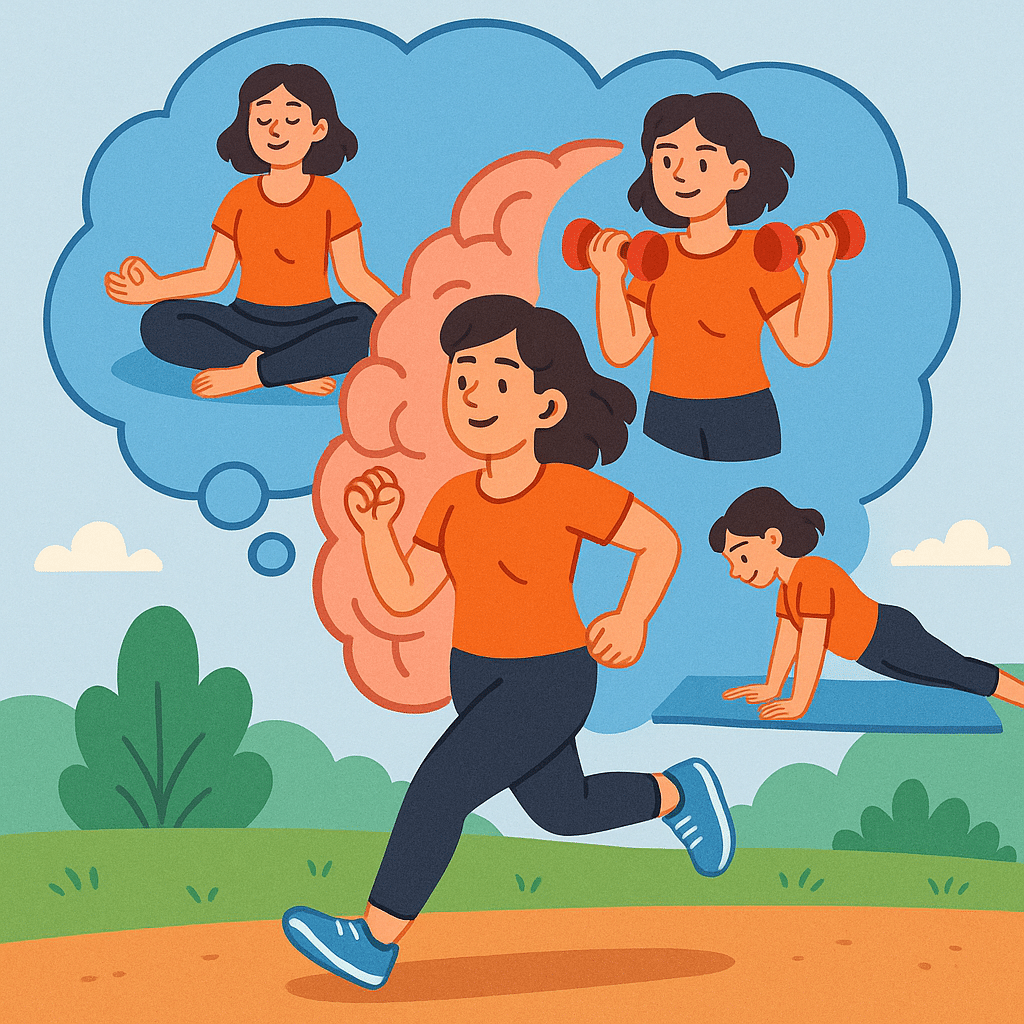
Why Mental Health and Fitness Are More Connected Than Ever
Over the past few years, researchers have increasingly emphasized the link between regular exercise and mental well-being. Studies have shown that physical activity can reduce symptoms of anxiety, depression, and stress by improving brain function and releasing mood-regulating neurotransmitters (Harvard Health Publishing, 2021).
With mental health challenges on the rise globally, fitness is now being reframed as therapy—not just training. Gyms, wellness apps, and even workplaces are promoting structured exercise as a key mental health tool.
Trending Fitness Routines That Improve Mental Health
1. Mindful Strength Training
Traditional weightlifting is evolving into a mindfulness-based practice. Rather than chasing maximum loads, many athletes and everyday gym-goers are focusing on intentional movement.
- Slower reps combined with deep breathing
- Emphasis on form and presence instead of speed
- Lower stress hormones due to mindful engagement
Research published in Frontiers in Psychology suggests that combining strength training with mindfulness techniques significantly reduces anxiety levels (Liu et al., 2022).
2. Outdoor “Green Workouts”
Exercising in natural environments—parks, beaches, or forests—has gained momentum as one of the most powerful ways to balance mental health. Known as green exercise, this trend is supported by research showing that time in nature reduces cortisol levels and enhances mood regulation (Brymer et al., 2020).
Beyond mental wellness, outdoor workouts also improve physical endurance due to natural variations in terrain and climate. Uneven paths, fresh air, and exposure to sunlight stimulate cardiovascular function and support vitamin D synthesis, which is vital for bone health and immune function (Mitchell, Richardson, & Shortt, 2015). Unlike indoor gyms, green workouts encourage multisensory engagement—visual stimulation from landscapes, natural sounds, and tactile sensations from soil or grass—which contributes to reduced stress and heightened motivation.
Popular activities include:
- Trail running – Boosts cardiovascular endurance while connecting runners with dynamic terrain that challenges balance and coordination.
- Outdoor yoga – Combines mindfulness with the natural rhythms of the environment, amplifying relaxation and concentration.
- Hiking with structured breathing exercises – Enhances oxygen intake and supports stress reduction, particularly when combined with meditation practices.
- Cycling through nature routes – Encourages cardiovascular strength while providing mental stimulation through ever-changing scenery.
What makes green workouts especially appealing is their accessibility and affordability. Unlike gym memberships, exercising outdoors is often free or low-cost, making it an inclusive option for individuals from different socioeconomic backgrounds. Furthermore, community-led outdoor fitness groups—such as yoga in the park or guided hiking clubs—are expanding, offering social connections in addition to physical health benefits.psychological response.
3. Functional Fitness for Daily Mental Resilience
Functional fitness—movements designed to mimic daily life activities—has taken on new meaning. Once seen as just a way to improve mobility and injury prevention, it is now being linked to emotional strength.
How? When the body adapts better to stressors through functional training, the brain follows. Resilient movement patterns create a sense of confidence, which in turn reduces anxiety.
Workouts often include:
- Squats and lunges
- Push-pull compound exercises
- Balance and core stability routines
This makes functional training especially appealing to professionals with sedentary lifestyles seeking both physical and psychological upgrades.
4. Hybrid Yoga and Breathwork
Yoga has long been linked to stress relief, but the latest wave in 2025 emphasizes hybrid formats. Studios and apps are combining yoga with structured breathwork techniques such as box breathing and alternate nostril breathing.
According to the National Center for Complementary and Integrative Health, yoga and breathwork not only reduce anxiety but also improve sleep quality and heart rate variability (NCCIH, 2022).
Emerging formats include:
- “Power yoga with guided meditation”
- “Breathflow classes” combining pranayama with stretching
- Online guided breathwork paired with restorative poses
5. Group Fitness for Social Connection
Post-pandemic mental health research has revealed that community-based exercise is particularly effective for reducing loneliness and depression. Group fitness, whether virtual or in-person, provides accountability, shared goals, and positive social reinforcement.
Popular trends in this space:
- Dance cardio classes with mood-boosting music
- CrossFit communities focusing on mental resilience challenges
- Virtual group workouts via Zoom or VR platforms
Connection itself becomes part of the therapy, amplifying the mood benefits of exercise.
6. Neuroplasticity-Driven Workouts
One of the most futuristic trends in mental health and fitness is neuroplasticity training—workouts specifically designed to enhance brain adaptability.
These combine physical drills with cognitive challenges, such as:
- Learning new choreography in dance workouts
- Martial arts patterns requiring precision and memory
- High-intensity interval training (HIIT) with dual-task exercises (solving mental puzzles during workouts)
This approach is backed by neuroscience showing that exercise stimulates the growth of new brain cells and strengthens neural connections (Erickson et al., 2019).
How Fitness Routines Improve Mental Health
Here are some science-backed mechanisms showing why these routines work:
- Neurochemical Boost – Exercise increases endorphins, serotonin, and dopamine, directly improving mood and reducing anxiety.
- Stress Hormone Regulation – Physical activity reduces cortisol and adrenaline, balancing the body’s stress response.
- Enhanced Brain Function – Fitness improves neuroplasticity and memory retention, making the brain more adaptable to challenges.
- Better Sleep Cycles – Consistent workouts regulate circadian rhythms, helping with insomnia and restless nights.
- Community & Purpose – Group workouts strengthen belonging, which is a protective factor against depression.
Practical Guide: Starting Fitness Routines for Mental Health
If you’re looking to build routines that directly improve your mental health, here’s a simple roadmap:
1: Choose Based on Stress Levels
- High stress → yoga, breathwork, or outdoor walks
- Low motivation → group workouts or fun dance-based classes
- Anxiety-prone → strength training with mindfulness
2: Commit to Small Sessions
- Start with 20–30 minutes per day
- Mix cardio, strength, and flexibility training
- Add at least two mindfulness-based sessions weekly
3: Track Mood Instead of Only Weight
- Use a wellness journal to log mood changes
- Rate stress and anxiety levels before and after workouts
- Adjust routines based on what improves mental clarity the most
Final Thoughts: Fitness as Mental Health Medicine
Fitness routines that improve mental health are not just a fad—they’re becoming a central part of healthcare. Whether it’s mindful strength training, outdoor workouts, or community-based classes, these approaches are transforming how we think about both exercise and therapy.
The evidence is clear: moving your body is one of the most accessible, effective, and empowering tools for emotional balance in 2025 and beyond.
References
- Harvard Health Publishing. (2021) Exercise is an all-natural treatment to fight depression. Harvard Medical School. Available at: https://www.health.harvard.edu/ (Accessed: 19 September 2025).
- American Psychological Association. (2022) How exercise boosts your mental health. APA. Available at: https://www.apa.org/topics/exercise-fitness/stress (Accessed: 19 September 2025).
- World Health Organization. (2022) Physical activity. WHO. Available at: https://www.who.int/news-room/fact-sheets/detail/physical-activity (Accessed: 19 September 2025).

 Gardening Ideas That Boost Home Aesthetics