Surprising Ways You Can Transform Your Living Space
Clara Mitchell November 1, 2025
Explore innovative interior design techniques that can reinvent any home—regardless of size or budget. This guide takes a fresh look at trending ideas, such as maximalist decor, sustainable furniture, smart home features, and creative lighting, to help you create a space that truly feels like yours.
The Power of Interior Design Trends
Interior design shapes the personality of a home, blending comfort and style into a single vision. As living arrangements evolve, people often seek the latest decorating approaches to match shifting lifestyles. Popular trends like open spaces, flexible arrangements, and bold accent features are gaining traction both among new homeowners and renters. A growing number of individuals now choose decor that tells a story and reflects personal journeys. These changes can prompt an emotional reaction, transforming plain corners into memorable spaces. From playful wallpaper to reimagined antiques, the quest for creative expression continues to inspire design enthusiasts worldwide.
The rise of modern interior design concepts isn’t just about aesthetics. Practicality plays a crucial role. Many households pursue versatile furniture and modular pieces that optimize small city apartments. Urban dwellers frequently change layouts to accommodate working-from-home needs, social get-togethers, or restful retreats. Personal expression is at the forefront—maximalism, minimalism, and eclectic mixes all find eager audiences. Texture, color, and lighting create dynamic effects, influencing how each room feels and functions. A thoughtfully designed interior can boost daily mood and productivity, proving that even subtle design tweaks can have a major impact.
The sustainability movement has ignited interest in eco-friendly renovations and reclaimed materials. Reusing vintage finds reduces waste, while investing in upgraded insulation or energy-efficient window coverings can lower monthly bills. Biophilic design, which promotes a connection to nature through plants and natural materials, continues to draw attention. These green options don’t just benefit the planet—they also introduce warmth and character into living spaces. People now value interiors that support their well-being while making a positive environmental statement.
Bringing Maximalism and Minimalism to Life
The debate between maximalism and minimalism is more vibrant than ever. On one hand, maximalism celebrates abundance—mixing bold colors, layered textures, and eclectic accessories. This style has seen a revival as individuals express their interests through striking gallery walls or eye-catching collectibles. Maximalist rooms can feel alive, telling stories through art, books, and travel finds. It’s a playful method for those who wish to surround themselves with visual memories and energetic patterns. Embracing maximalism can help uncover new creative passions and transform blank spaces into curated retreats.
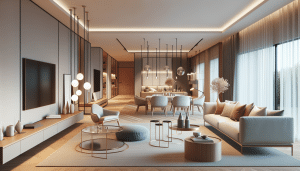
Minimalism offers a counterbalance, favoring open layouts, muted tones, and clean lines. This design philosophy invites calm, making it ideal for those who crave a serene, clutter-free environment. Minimalist homes often use monochrome palettes and natural light to establish peaceful yet refined atmospheres. This approach has become particularly attractive for busy professionals seeking harmony and order. Minimalist design can enhance well-being by reducing visual stress and encouraging mindful habits. As living spaces become multifunctional, the minimalist trend adapts to prioritize what’s essential while retaining beauty and comfort.
Many homeowners now combine both styles, integrating high-impact focal points with understated backgrounds. A maximalist sofa or rug can sit comfortably in a minimalist space, blending function with flair. These hybrid approaches inspire endless experimentation—no two rooms need ever look the same. The key is finding a balance that reflects personality without overwhelming the senses. People are reshaping their environments to capture both excitement and tranquility, one detail at a time.
Sustainable Furniture and Material Choices
Sustainability drives much of today’s home design conversation. Consumers are increasingly prioritizing ethically produced furniture and materials. Choices like bamboo flooring, recycled fabrics, and upcycled pieces offer long-lasting value while minimizing environmental impact. Buying locally-sourced fixtures or supporting independent makers can reduce carbon footprints and encourage community craftsmanship. Many new collections highlight organic stains and eco-certifications as selling points. This shift isn’t only better for the planet—it gives spaces a distinctive, handcrafted charm.
Natural materials, such as hemp, jute, and reclaimed wood, are now mainstream in living rooms and bedrooms. These tactile choices grant interiors an inviting, earthy vibe while maintaining a sense of luxury. Rethinking what’s considered beautiful, more designers are upcycling discarded objects or working with artisans to create custom, sustainable essentials. Innovations like modular sofas and biodegradable decor lessen waste and make moving or redecorating simple. As people become aware of fast furniture’s drawbacks, there is a renewed appreciation for quality over quantity.
The rise of sustainability also means re-evaluating buying habits. Rather than replacing old items, many individuals repair, refinish, or repurpose favorites. For some, do-it-yourself projects provide both relaxation and pride. Community workshops and online tutorials empower anyone to refresh furniture or personalize decor while learning valuable skills. These efforts encourage mindful ownership and help keep timeless pieces in circulation for decades.
Creative Lighting Ideas for Every Room
Lighting casts a magical spell on interiors. The right fixtures can accentuate architectural details or completely alter the mood. Pendant lamps, floor lights, and even color-changing smart bulbs let individuals tailor ambiance for any occasion. Statement chandeliers and sculptural sconces bring a touch of luxury, while layered lighting helps highlight artwork or cozy reading nooks. Clever placements—like under-cabinet strips or recessed LEDs—make small spaces glow with warmth and sophistication. The best lighting schemes mix style and flexibility, ensuring each area serves multiple functions.
Natural light remains one of the most sought-after features in homes. People maximize sunlight through reflective surfaces, oversized mirrors, and minimal window treatments. For spaces that lack large windows, daylight-simulating bulbs can boost energy and lift spirits. Proper lighting design is essential for multitasking spaces, allowing seamless transitions from focused work to relaxed evenings. Today’s technology makes it easy to adjust brightness and temperature through voice commands or smartphone apps. Personalized lighting transforms everything from kitchens to bathrooms into inviting, modern retreats.
Eco-friendly lighting options—including LED bulbs and solar-powered lanterns—contribute to lower energy bills and reduced waste. Many new designs feature recyclable parts or materials sourced from responsible manufacturers. Dimmable lights extend bulb life, while motion sensors add convenience for entryways and closets. Smart lighting systems can help households monitor usage patterns, supporting broader commitments to sustainability. Creative illumination, both functional and artistic, sets the tone for memorable gatherings and daily relaxation alike.
Smart Home Technology and Entertainment
Smart home technology has revolutionized how people experience relaxation and entertainment indoors. Hands-free voice assistants, wireless speakers, and automated routines make controlling music, lighting, and climate more seamless than ever. You can host movie nights, throw parties, or unwind with a meditative podcast using only a few words. Integrated systems also help coordinate cleaning, security, and even grocery shopping—all while syncing to personal devices for added comfort.
Modern entertainment centers aren’t limited to television. Projectors, surround sound, and immersive VR platforms create cinematic experiences at home. Gaming consoles, ergonomic seating, and acoustic panels cater to every family member’s taste. Multi-purpose media rooms double as guest suites, home offices, or children’s play zones. Upholstered walls and blackout curtains add theatrical charm, while hidden storage minimizes clutter. Creative tech setups ensure everyone can enjoy downtime or connect with friends, regardless of space constraints.
Embracing technology goes well beyond entertainment. Smart thermostats, water-saving gadgets, and connected appliances offer meaningful energy savings. Parents track household activity for peace of mind, while pet owners remotely monitor furry companions. Voice-activated controls support accessibility, making daily life easier for many. By weaving technology into interior design, people craft homes that are responsive, fun, and uniquely attuned to their needs.
Personalization and Artistic Expression
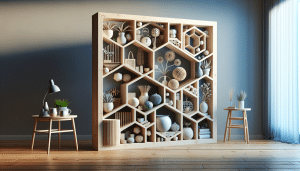
Personal touches give every living space warmth and identity. Wall murals, custom textiles, and unique gallery displays elevate basic layouts into meaningful environments. Whether displaying family heirlooms or showcasing contemporary art, customization tells a story that’s deeply personal. Many find inspiration in travel souvenirs, vintage posters, or handmade ceramics. Layering mementos and artworks cultivates a sense of belonging—making it easier to feel truly at home. Designing with treasures that spark joy transforms rooms into daily sources of happiness.
No two personal spaces look alike. Photo walls, textured pillows, or repainted furniture introduce color and play, highlighting every inhabitant’s flair. Those with creative backgrounds can experiment with DIY art or upcycled projects. For some, rotating displays of favorite objects keeps interiors feeling fresh and dynamic. Diverse influences— from Scandinavian calm to Mediterranean exuberance—find harmonious coexistence in layered, personalized decor.
Digital tools empower everyone to visualize and experiment before committing to redesigns. Free online planners or augmented reality apps can preview wall colors, furniture layouts, or lighting concepts in virtual environments. This minimizes costly mistakes while maximizing joy and creativity. Ultimately, the permission to experiment is the heart of modern lifestyle design. When your living space feels authentic and inspiring, every day at home becomes a little more special.
References
1. American Society of Interior Designers. (n.d.). Interior Design Trends. Retrieved from https://www.asid.org/resources/interior-design-trends
2. United States Environmental Protection Agency. (n.d.). Sustainable Materials Management. Retrieved from https://www.epa.gov/smm
3. National Renewable Energy Laboratory. (n.d.). Energy Efficient Lighting. Retrieved from https://www.energy.gov/eere/ssl/lighting-basics
4. Consumer Technology Association. (n.d.). Smart Home Ecosystems. Retrieved from https://www.cta.tech/Resources/i3-Magazine/i3-Issues/2023/May-June/Smart-Homes
5. Green Building Council. (n.d.). Biophilic Design for Wellness. Retrieved from https://www.usgbc.org/articles/biophilic-design-wellness
6. Smithsonian Magazine. (2022). The Surprising Power of Personalizing Your Space. Retrieved from https://www.smithsonianmag.com/arts-culture/how-personalizing-space-increases-happiness-180976964/

 Why You Keep Hearing About Quantum Computing