Why You Notice Solo Travel Is Suddenly Everywhere
Thomas Blake October 26, 2025
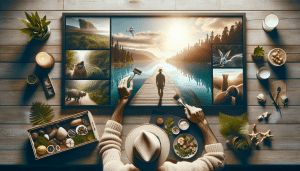
Solo travel is more than a fleeting trend—people around the globe are discovering freedom and adventure when traveling alone. This guide explores what draws travelers to embark solo, the leading destinations, safety insights, and practical resources for planning a rewarding solo trip, whether for leisure, self-discovery, or business.
What Makes Solo Travel So Appealing
There’s a unique kind of freedom in solo travel that group journeys just can’t match. Individuals who travel alone often find themselves setting the pace, choosing what to see, and embracing spontaneity in new places. The appeal lies in autonomy—the chance to wake up and decide on a whim whether to wander down a bustling market street, hike to a scenic viewpoint, or simply enjoy coffee at a roadside café. Many travelers report feeling more connected to their surroundings when not tethered to a group’s itinerary. This sensation can lead to more memorable discoveries, as wanderers encounter local cultures on their terms and timelines, sparking meaningful interactions and experiences that shape unforgettable stories. Research highlights that solo travelers are likelier to push personal boundaries, try new foods, and make friends with locals, which creates a deeper, more immersive connection with destinations. (Source: https://www.ustravel.org/research)
Personal growth is a driving force behind the solo travel movement as well. Heading out on one’s own reveals strengths and resourcefulness. Some describe it as ‘resetting their outlook’ or gaining unmatched clarity. Solo trips often involve self-discovery—learning to trust instincts, make decisions independently, and manage the unknown with confidence. Even moments of uncertainty become valuable, as they can teach resilience and adaptability. According to travel industry insights, many find that traveling alone allows them to focus inward and develop a sense of self-sufficiency that lasts far beyond the journey itself. The act of getting lost in a new city and finding a way back can be transformative, often mirrored in personal growth back home.
The sheer diversity of solo travel experiences is astonishing. For some, it’s about escaping routine; for others, it’s a quest for adventure, cultural exposure, or even professional development through business travel. Websites and travel guides dedicated to solo adventures have multiplied rapidly in recent years, offering tailored itineraries, local insights, and supportive communities for those going it alone. Rising social acceptance and robust safety resources make solo travel accessible for people of nearly any age or background. For digital nomads or remote workers, solo trips now double as opportunities to blend work with global exploration, further fueling the popularity of independent journeys. (Source: https://www.lonelyplanet.com/articles/solo-travel-tips)
How Solo Travelers Choose Their Destinations
From serene mountain retreats to vibrant urban centers, destination choice often depends on a traveler’s personal interests or goals. Some solo travelers opt for cities with walkable neighborhoods, extensive public transport, and a reputation for hospitality. Others seek out nature-focused getaways: hiking trails in national parks, tropical coastlines, or remote countryside havens where tranquility reigns. Safety and inclusivity naturally rank highly when travelers plan their trips—research reveals that countries recognized for low crime rates and friendly attitudes toward visitors consistently feature on solo travel wish lists. (Source: https://travel.state.gov/content/travel/en/international-travel/before-you-go/travelers-checklist.html)
Solo travelers often turn to online forums and peer reviews to gauge a destination’s suitability. Trending travel communities provide up-to-date advice on neighborhoods, cultural customs, language barriers, and even cost breakdowns for solo visitors. Real-world experiences help others shape their own plans, whether seeking bustling street food scenes in Southeast Asia or peaceful art museum strolls in Europe. Personal preference plays a big part too—introverts might find solace in peaceful landscapes, while extroverts gravitate to cities bustling with nightlife and creative energy. Curated travel guides for solo adventurers highlight an expanding list of destinations that offer mixed experiences, helping new travelers step outside their comfort zones while still meeting individual needs.
Affordability is another core consideration. Many solo travelers carefully budget for accommodation, food, and attractions, and destinations with a reputation for affordability are often among the most popular. From Southeast Asian cities like Hanoi or Chiang Mai to small towns in Eastern Europe, many places cater to independent explorers with hostels, communal kitchens, and public transport bargains. Flexible booking policies and dedicated solo-friendly experiences, such as group day tours or volunteering opportunities, also make it easier to engage with new cultures without breaking the bank. This approach empowers travelers to extend their trips, discover new passions, or redirect plans as opportunity allows—all key ingredients in the rise of solo travel.
Important Safety Insights for Independent Travelers
Safety is a top concern for solo travelers and shapes every phase of the journey—from planning to day-to-day navigation. Reliable resources and travel advisories from government and reputable international agencies provide essential context about health, political stability, and cultural expectations. Reading trusted guides and forums allows travelers to prepare smartly, understanding both common risks and proven solutions that others have shared. Local knowledge can be invaluable, whether choosing safe neighborhoods to stay, learning about emergency procedures, or avoiding scams that may target newcomers. (Source: https://www.gov.uk/guidance/travel-safely-abroad)
Adopting safety habits becomes second nature over time. Simple practices—like sharing itineraries with a trusted friend, storing important information securely, and using registered taxi apps—can make a big difference. Many travelers recommend blending in with locals where possible, adopting a modest dress code, and learning basic phrases in the local language to ease navigation. Technology is changing the landscape too: travelers use mobile maps, translation tools, and emergency apps to stay one step ahead, minimizing risk and maximizing peace of mind on each new adventure.
Health and wellness must not be overlooked. Solo travelers benefit from understanding basics like local healthcare facilities, access to pharmacies, and travel medical insurance. Taking precautions—for example, checking vaccination requirements or dietary alerts—extends beyond obvious emergencies; it can mean everything from staying hydrated in hot climates to packing necessary prescription medicines. These details ensure each trip is not just memorable, but also safe and sustaining for the traveler, creating a strong foundation for more, longer, and farther explorations. (Source: https://www.cdc.gov/travel/page/traveling-alone.html)
Tools and Resources to Plan a Rewarding Solo Trip
Effective planning turns dreams of solo trips into reality. There are specialized planning platforms, digital travel guides, and online communities focused on solo travel. These resources provide checklists, visa guidance, suggested packing lists, and language tools to guide every step. Easily accessible support groups on social media connect seasoned solo adventurers with newcomers, offering everything from inspiration to practical help. Many travelers turn to these hubs not just for advice but for companionship, arranging informal meet-ups or crowd-sourced day trips that help reduce feelings of isolation and foster shared experience. (Source: https://www.solo-travel.com/resources)
Accommodations tailored for solo travelers offer social spaces without sacrificing privacy. Hostels, guesthouses, and local homes often have shared kitchens and communal lounges, perfect for swapping stories or tips. Online reservation portals now let users browse peer ratings and specific solo traveler reviews, making it easier to choose a safe, welcoming place. In many destinations, solo-friendly tours and excursions are available, with guides trained in fostering inclusive environments. Such infrastructure transforms a solo adventure into a social opportunity, allowing travelers to customize their level of interaction each day.
Budgeting tools are equally important for solo travel success. Currency converters, transport planners, and day-by-day itineraries help manage expenses and priorities. Digital banking and multi-currency credit cards mean solo explorers can pay securely anywhere, while online safety information highlights recommended practices for guarding against theft or loss. Access to technology is changing how trips are documented and remembered as well, with photo-sharing apps and blogs providing platforms for expression, reflection, and community building—all reinforcing the connection and empowerment that solo travel offers to modern adventurers.
Solo Travel for Wellness, Business, and Self-Discovery
Solo adventures are not just about crossing places off a list. Increasingly, they serve as pathways to greater wellness, personal reset, and even professional development. Wellness retreats dedicated to mindfulness, yoga, writing, or creative arts attract people seeking to recharge, often far away from daily distractions. Others pursue volunteer programs or eco-tourism activities that blend travel with social responsibility or environmental care, building lasting memories with tangible local impact. This approach allows for reflection, learning, and a new sense of global belonging. (Source: https://www.ncbi.nlm.nih.gov/pmc/articles/PMC8136515/)
Business travel has evolved as well. Many employers recognize the benefits of supporting employees who extend business trips for leisure or personal development. Combining remote work with international travel—a trend often called ‘workcation’—gives professionals flexibility and new perspectives. With the rise of co-working spaces, digital nomad hubs, and fast, reliable internet in many parts of the world, more people can maintain their careers while exploring. Solo work-travel fosters independence, resilience, and expansion of global networks, offering both personal and professional advancement.
Self-discovery is at the heart of it all. Whether it’s embarking alone for the first time or returning to solo journeys as a way to challenge comfort zones, travelers report coming home with a changed sense of purpose. The confidence gained from navigating unfamiliar terrain, overcoming challenges, and engaging authentically with new cultures has lifelong effects. Many people mention increased happiness, lower stress, and enhanced adaptability after solo travel—proof that these experiences can be truly transformative. For some, the journey itself becomes as important as the destination. (Source: https://www.psychologytoday.com/us/blog/the-moment-youth/202108/solo-travel-self-discovery)
Tips for a Fulfilling and Safe Solo Journey
Practical advice enhances the solo travel experience and helps avoid unnecessary pitfalls. Start with research—read honest accounts, check reviews, and understand local customs. Prepare documents in advance, keep digital copies, and register with an embassy if needed for longer stays. Staying alert to surroundings and trusting intuition are constantly cited as top safety strategies by experienced solo travelers. (Source: https://www.travelwise.gov.au/safety/solo)
Packing light and staying organized brings unexpected benefits, from moving easily between locations to managing unforeseen challenges with agility. Carry only essentials, keeping valuables close and backups accessible. Use secure bags with anti-theft features, and choose versatile clothing for different climates or situations. Backup chargers and offline maps add further peace of mind, letting adventurers focus on enjoyment instead of logistics. Solo travelers often champion the value of flexibility—plans might change, but adaptability is the solo traveler’s greatest asset.
Connecting with local communities makes solo journeys richer and more meaningful. Attend public events, join walking tours, or participate in classes that reflect local traditions. These activities spark interactions and friendships that can last long after the trip ends. Above all, enjoy the unique moments solo travel brings: a sunrise on a quiet street, a conversation with a stranger, or the triumph of finding your way in a new city. Each solo journey presents new possibilities to savor, learn, and grow with every step.
References
1. U.S. Travel Association. (n.d.). Research. Retrieved from https://www.ustravel.org/research
2. Lonely Planet. (n.d.). Solo travel tips: how to travel alone and love it. Retrieved from https://www.lonelyplanet.com/articles/solo-travel-tips
3. U.S. Department of State. (n.d.). Traveler’s Checklist. Retrieved from https://travel.state.gov/content/travel/en/international-travel/before-you-go/travelers-checklist.html
4. UK Government. (n.d.). Travel safely abroad. Retrieved from https://www.gov.uk/guidance/travel-safely-abroad
5. Centers for Disease Control and Prevention. (n.d.). Traveling Alone Safely. Retrieved from https://www.cdc.gov/travel/page/traveling-alone.html
6. Psychology Today. (2021). Solo Travel for Self-Discovery. Retrieved from https://www.psychologytoday.com/us/blog/the-moment-youth/202108/solo-travel-self-discovery

 Unlocking Unique Startup Ideas That Inspire Success