Simple Home Decor Tricks You Never Thought Of
Clara Mitchell October 19, 2025
Unlock unique home decor ideas with this practical guide designed for anyone eager to enhance their living space. Small changes can make a big impact—discover creative tricks to refresh your home environment without stress or excess cost.
Why Small Changes Transform a Living Space
Sometimes, the power of simple home decor updates can completely transform how a space feels. The right color on a single wall, or rearrangement of furniture, is often enough to breathe fresh energy into a room. Many people underestimate just how easy it is to revive an old or tired space with small, thoughtful tweaks. Interior design experts suggest starting with what you already own, then adjusting the arrangement. Swapping living room cushions or placing a lamp in a different corner creates surprising effects. This approach is not only cost-effective but can provide an immediate sense of accomplishment, sparking motivation for further creative changes without committing to a major renovation project.
Even subtle improvements like adding a decorative mirror or green plant can impact mood and perception of your home. Interior designers explain that mirrors reflect light, making smaller rooms appear more open, while houseplants improve air quality and bring life indoors. These are easy, enjoyable ways to refresh a living space and infuse a personal touch. Supporting these ideas, the American Society of Interior Designers notes that well-placed art or lighting can subtly influence emotions, lending a sense of calm or cheer to communal spaces (https://www.asid.org/). This method of updating focuses on enhancing comfort and inviting atmosphere, rather than overhauling what already works.
It’s also helpful to adopt a flexible mindset when thinking of rearrangements. No change needs to be permanent; experimenting with the placement of tables, chairs, or decor pieces allows for ongoing refinement. People can easily adjust arrangements with the seasons, reflecting different moods or practical needs. Embracing adaptability encourages creativity and makes it trivial to try new looks. For instance, placing cherished objects in high-visibility areas fosters daily enjoyment. These small, strategic shifts build confidence and often create a ripple effect, inspiring homeowners to adopt more DIY projects and infuse personality into every corner.
Color Accents and Textures That Spark Joy
Introducing color accents is one of the most affordable ways to refresh a home interior. Throw blankets, patterned rugs, or bright wall art can act as focal points. These elements are not only visually appealing but also personalize a space without costly investments. According to color psychologists, bold accents can elevate mood and encourage productivity, while softer hues promote relaxation and calm (https://www.psychologytoday.com/us/blog/minding-the-body/201109/the-color-psychology-of-room-decor). By mixing and matching textures—think velvet pillows, woven baskets, or smooth ceramics—anyone can add tactile interest and create a cozy atmosphere in living spaces.
While painting a full room may seem daunting, focusing on a single wall or ceiling can produce dramatic results. Accent walls, especially in vibrant colors, have gained popularity in both modern and traditional homes. Designers recommend testing smaller painted areas first to gauge visual impact and ensure the color fits the overall tone. Removable wallpaper is another way to experiment without commitment. This trend allows for frequent updates, following seasonal inspiration or evolving tastes. By layering new textures alongside these pops of color, a once-plain room takes on new personality.
Accessories like cushions, art prints, or decorative vases double as both style enhancers and tools for tying a room together. Carefully selected color and texture create intentional cohesion, even among an eclectic collection of furnishings. Patterned or textural wall hangings can introduce a feeling of warmth and energy, making the space feel welcoming. Small adjustments, such as swapping out throws or updating curtain styles, help maintain visual and emotional interest throughout the year without excessive spending or effort. Embracing bold colors or textured decor is a simple but impactful step toward a lively, dynamic home.
Decluttering and Creative Storage Solutions
A clutter-free environment supports relaxation and clarity of mind, according to numerous studies on interior wellness (https://www.ncbi.nlm.nih.gov/pmc/articles/PMC5579396/). Yet decluttering can be daunting without a strategy. Many decorators suggest starting with surfaces—clearing countertops, tables, and shelves instantly lends a sense of order. Donate or store items that no longer serve a purpose, and only keep objects that spark positive feelings or daily utility. Implementing this approach reduces stress and makes it possible to appreciate decorative touches that might otherwise be overlooked. Even simple baskets or lidded boxes can keep necessities tidy while still adding flair to rooms.
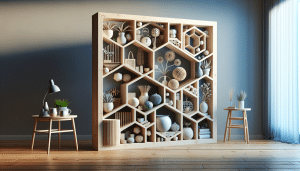
Smart storage options can play a starring role in home decor. Multi-purpose furniture such as coffee tables with hidden compartments or ottomans that open up to reveal storage are practical choices. Wall-mounted shelves work well in smaller spaces, drawing the eye upward and offering display opportunities for favorite books or plants. By integrating storage with style, a space remains functional without sacrificing aesthetics. DIY enthusiasts can even create their own solutions, turning old crates into rustic shelving or repurposing jars for kitchen organization. Combining creativity with decluttering leads to a harmonious and thoughtful environment.
Some homeowners prefer adopting a minimalist mindset, focusing on quality over quantity. Selecting a few meaningful pieces allows personal treasures to shine, rather than competing for attention. Organizing items by category—art supplies, electronics, outdoor gear—ensures everything has a dedicated spot. Consider rotating collections seasonally, placing certain decor in storage during off-months. This keeps both storage and living spaces fresh. Decluttering and creative organization are not just practical steps; they set the foundation for enjoying new design experiments and embracing a lifestyle of intentional simplicity.
Lighting Magic: Using Light to Create Ambiance
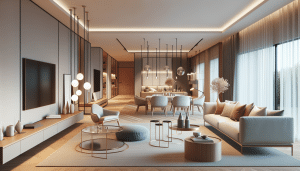
Lighting is often called the unsung hero of home decor. The right amount and type of light enhances every other element, from textures to wall colors. Layered lighting—using combinations of floor lamps, sconces, and ceiling fixtures—allows for mood adjustments at any time of day. For instance, soft, warm lights in the evening help a space feel calm and cozy. In contrast, brighter or whiter bulbs invigorate rooms for morning activities and daily tasks. Designers recommend dimmers for versatile control. By experimenting with placement and intensity, anyone can create a home that adapts to their schedule and needs.
Natural light is a prized feature in any home. When possible, keep window areas open and opt for sheer curtains or blinds, maximizing daylight flow. Not every space has ample windows, making clever use of mirrors or reflective surfaces valuable. Positioning a mirror opposite a light source can amplify both natural and artificial lighting, making even a small room feel larger and brighter. Decorative string lights or floor lamps in corners dispel shadows and add a magical touch to evenings. These enhancements are often inexpensive but have a substantial impact on atmosphere.
Ambient lighting sets the tone for relaxation or celebration. Accent lighting, such as under-cabinet strips in kitchens or LED tape along bookshelves, brings attention to favorite features and gives rooms a custom feel. According to the Illuminating Engineering Society, thoughtfully layered light supports well-being and positive emotions (https://www.ies.org/). With evolving technologies, it’s easy to experiment with colored LED bulbs or app-controlled fixtures, offering limitless possibility for creative personalization. Lighting, with its adaptability and relatively low cost, remains an essential tool for modern decor enthusiasts.
Personal Touches and Seasonal Refreshes
Personalizing a home goes beyond paint and furniture choices. Family photos, travel souvenirs, or handcrafted items tell stories about the people who live there. Displaying these treasures on gallery walls or open shelves transforms the ordinary into the meaningful. Art projects, whether made by children or adults, foster a sense of pride and serve as reminders of important milestones. Regularly changing up these displays opens the door to conversations and keeps interiors dynamic. According to art therapy studies, curated personal touches can positively influence mood and self-perception in home environments (https://www.americanarttherapyassociation.org/).
Embracing the seasons with home decor adds vibrancy year-round. Changing pillow covers for autumn hues, displaying pastel flowers as spring arrives, or adding cozy throws in winter ensures the home always feels current and inviting. Many find that these small, themed adjustments spark anticipation for upcoming holidays or family gatherings. Seasonal updates do not require significant investment—often, a few strategic changes deliver spectacular results. This habit keeps the atmosphere fresh and gives ongoing opportunities for creative expression without feeling tied to a single style.
DIY crafts, such as painting terracotta pots or creating homemade wreaths, foster both community and individual achievement. These projects provide cost-effective ways to introduce new textures or color schemes. Many organizations offer tutorials online, making it simple for anyone to learn and participate at their own pace. Personal touches lend character to every home, no matter the space or budget. Collectively, these changes nurture both creative spirit and sense of belonging, reinforcing the connection between living environment and sense of well-being.
Design Trends and Timeless Elements to Consider
Trends come and go, but timeless design principles anchor a home’s appeal. Lately, open shelving, natural materials, and sustainable design have taken center stage in the decor world (https://www.architecturaldigest.com/story/interior-design-trends). Open shelves invite both practical storage and decorative opportunities, enabling homeowners to showcase favorite kitchenware or collections. Neutral color palettes remain enduringly popular—soft whites, beiges, and natural wood tones pair easily with changing accent pieces. Investing in classic foundational pieces allows flexibility with accessories as tastes evolve over time.
Eco-friendly materials and recycled decor items are seeing a surge in popularity, in response to a growing awareness of environmental impact. Repurposing old furniture, selecting reclaimed wood, or choosing textiles made from organic fibers all support a more sustainable lifestyle. These choices not only enhance style but also contribute to a healthier environment indoors. Organizations such as the U.S. Green Building Council advocate for non-toxic finishes and energy-efficient lighting, both for well-being and the planet’s benefit (https://www.usgbc.org/).
Finally, balancing timeless design with new trends offers both stability and excitement. Mixing inherited antiques with contemporary accessories, for example, allows for flexibility and evolving tastes. This approach encourages homeowners to experiment fearlessly, knowing they can retain core elements while trying out fresh looks. Ultimately, the best design solutions result from blending personal expression, practical needs, and respect for classic principles. Staying informed about trends while honoring enduring styles creates spaces where individuals feel comfortable, inspired, and ready to fully enjoy daily life.
References
1. American Society of Interior Designers. (n.d.). About Interior Design. Retrieved from https://www.asid.org/
2. Psychology Today. (n.d.). The Color Psychology of Room Decor. Retrieved from https://www.psychologytoday.com/us/blog/minding-the-body/201109/the-color-psychology-of-room-decor
3. National Institutes of Health. (2017). Clutter, Chaos, and Overload: The Role of Clutter in Stress. Retrieved from https://www.ncbi.nlm.nih.gov/pmc/articles/PMC5579396/
4. Illuminating Engineering Society (IES). (n.d.). Lighting for Interior Environments. Retrieved from https://www.ies.org/
5. American Art Therapy Association. (n.d.). Art Therapy and Home Environment. Retrieved from https://www.americanarttherapyassociation.org/
6. Architectural Digest. (n.d.). Interior Design Trends. Retrieved from https://www.architecturaldigest.com/story/interior-design-trends

 Hidden Travel Perks You Might Be Missing